


Five Easy California Native Plants for Container Gardening
By Amina Sharma
You don’t need to have a yard to enjoy gardening with native plants. The right plants will live happily in containers, bringing pollinators, color, and fragrance to your doorstep, patio, or balcony. Just keep in mind that plants in pots usually need regular irrigation because their roots can’t reach into groundwater. With your potted native plant garden, you can help butterflies, birds, native bees and other wildlife thrive in cities and town—and enjoy the regenerative benefits of being around nature. Whether you’re just getting started or want to add to your existing garden, here are five native plants that thrive in containers.
Hummingbird sage (Salvia spathacea)

Deep rose-pink flowers adorn 30-inch flower stalks from late winter into summer. They don’t call it hummingbird sage for nothing. Expect to see these tiny jewel-like birds zipping in to sip nectar when the plant is in bloom. A plant that likes shade and part-shade, hummingbird sage supports a variety of moth and butterfly pollinators. Pro tip: Hummingbird sage grows and spreads vigorously and you may need to occasionally divide it to keep it from overtaking any container companion plants. Pairs well with: rooreh (Claytonia perfiolata), yerba buena (Clinopodium douglasi)
Coffeeberry (Frangula californica)
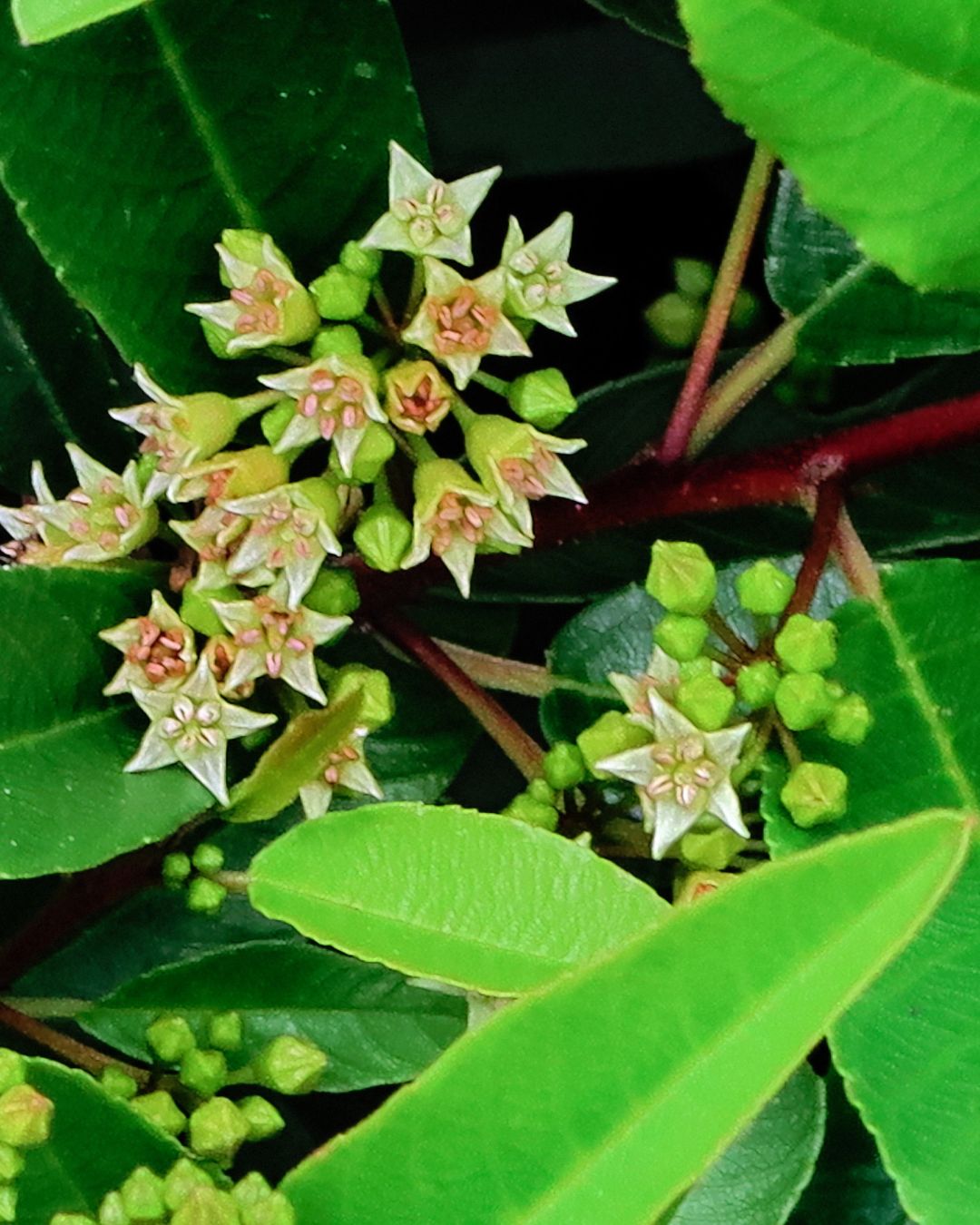
A dense shrub with reddish to grey branches and dark green leaves, coffeeberry can grow to form a tall, attractive screen. The small white flowers bloom spring into summer, attracting native bees. The plant’s berries are magnets for birds! During fruiting season, the berries change color from green to red to purple-black. Coffeeberry grows in sun and part shade and stays green all year long. Pro tip: There are several cultivars of coffeeberry (plants grown for desired traits), which you may see at your local nursery. Selecting a compact variety may be appropriate depending on your container size. Pairs well with: redmaids (Calandrinia menziesii), beach strawberry (Fragaria chiloensis)

Yarrow (Achillea millefolium)

What can’t yarrow do? A must for California gardens, yarrow can grow throughout much of the state. It’s easy to care for and will thrive in a range of soil types, enjoying full to part-sun. Yarrow grows 1-3 feet tall; its clusters of small flowers and pleasant fragrance attract a wide range of bees, butterflies, and moths through summer and spring. Yarrow has a long history of being used for medicinal purposes, as well. Pro tip: Like hummingbird sage, yarrow is a vigorous spreader. Divide when the pot gets crowded and share with friends! Pairs well with: California poppy (Eschschzolia californica), tidy tips (Layia platyglossa)
Dudleya spp.

Succulent native plants with sculptural leaves, dudleyas are also known as live-forevers because of their slow growth and long life span (sometimes stretching to 100 years!). In nature, dudleyas grow on rocky outcrops and among boulders. In a container, dudleyas would do well in sandy soil with good drainage. They like hot dry summers and mild winters. During flowering season, dudleyas put out tall stalks with colorful blooms that attract wildlife. Choose a dudleya at your local nursery that grows well in your region. Pro tip: Don’t rub off the plant’s waxy protective coating with your fingers or garden tools. Pairs well with: Pacific stonecrop (Sedum spathulifolium), California goldfields (Lasthenia californica)
California fuchsia (Epilobium canum)

A summer-flowering California native plant, Epilobium canum puts out fiery red-orange blooms when most plants are going dormant for the season. It’s an essential food source for hummingbirds, who like to guard their patches of California fuchsia. This plant loves full sun. After blooming is over, it will die back and go somewhat dormant in winter. You can prune it to the ground without worry—California fuchsia will grow back and flower again the next year. Pro tip: California fuchsia reseeds easily, and you can transplant seedlings to new containers. Pairs well with: climbing penstemon (Keckiella cordifolia), one-leaf onion (Allium unifolium)
To find more plants for containers, visit calscape.org and select “containers” in the “Special Uses” filter. Sign up for a free Calscape account to save your plant list for nursery shopping. Happy container gardening!
 Amina Sharma is the Communications Manager at CNPS and and loves to see the wildlife that come to her California native plant garden in Los Angeles.