Fountain Grass (Pennisetum setaceum) is a bunchgrass from Africa that is widely planted as an ornamental plant in portions of the United States with warm winters. It is a tough, vigorous plant that will tolerate adverse conditions of heat and drought. It does not appear to suffer from any pests or diseases, and many people appreciate its graceful seed heads produced in profusion over the spring and summer months.
The downside is that in California, Fountain Grass has no natural enemies and readily out-competes other plants. It is invasive, and if you plant it in your yard, you will soon have seedlings of Fountain Grass popping up wherever there is bare soil. It will even grow vigorously in the gaps between sections of concrete and bedrock of natural slopes. Its seeds are carried long distances in the wind, so if your neighbor has it in their yard, it will eventually end up in yours, and the nearby natural areas. If you are in a fire hazard area, it is especially dangerous, as it dries out early in the summer and becomes extremely flammable.
Fountain Grass readily moves in to wild areas and displaces the native plants that would otherwise provide habitat for the birds, butterflies, lizards, and multitude of other creatures that make their homes in this wonderful place we call California. Its shallow roots don’t stabilize slopes like many of the native plants it displaces. It is more flammable than the native vegetation, and over a longer period of the year, so contributes to more frequent wildfires (as do many other exotic plants, including Mexican Feather Grass, Pampas Grass, Vinca, Lantana and Pride of Madeira). When fires occur too frequently, areas of chaparral and coastal sage scrub get converted to weed fields as the native plants don’t have enough time to recover between fires.

The City of Los Angeles renovated the Sunland/Tujunga/Shadow Hills entry garden at Sunland Boulevard and the 210 freeway about a decade ago. As specified in the plans, the landscaping was sensible – Oak and Sycamore trees, some flowers around the sign, and some wildflowers in the background. Somewhere along the way, Fountain Grass was substituted for the wildflowers. This invasive exotic plant has taken over where the flowers were planted near the sign, and now obstructs the view of the sign from the street. It has also moved in to the next door neighbor’s yard, and it is only a matter of time before it reaches your yard.
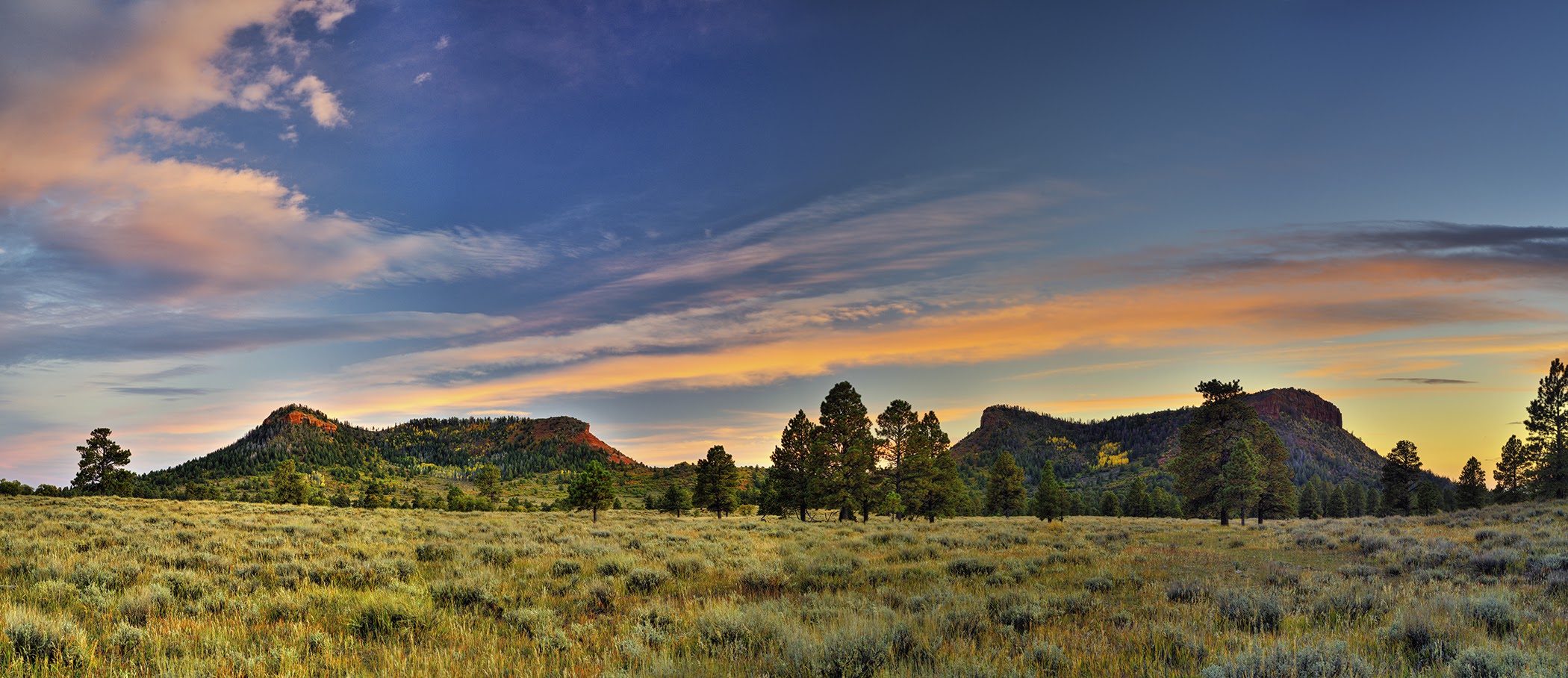
It’s time to stop this weed. The local flora is very diverse – in the nearby Verdugo Hills, there are over 300 kinds of native plants documented in the last decade. Roger Klemm and Ricky Grubb, native plant enthusiasts from the Shadow Hills and Sunland communities, decided to replace the “anti-native” Fountain Grass with some of the local biodiversity. They are working to renovate this community entrance garden into a showcase of the local flora, using the best of these 300+ kinds of plants that clothe the local hills in a mosaic of shrubs and wildflowers that bloom in different colors and at different times throughout the year. One of the criteria in selecting plants was to find those plants in the wild that look halfway decent in July and August, and aren’t “room-sized” chaparral shrubs. There are some that fit that description, and the hope is that the new plantings will invite people to use these plants in their yards.
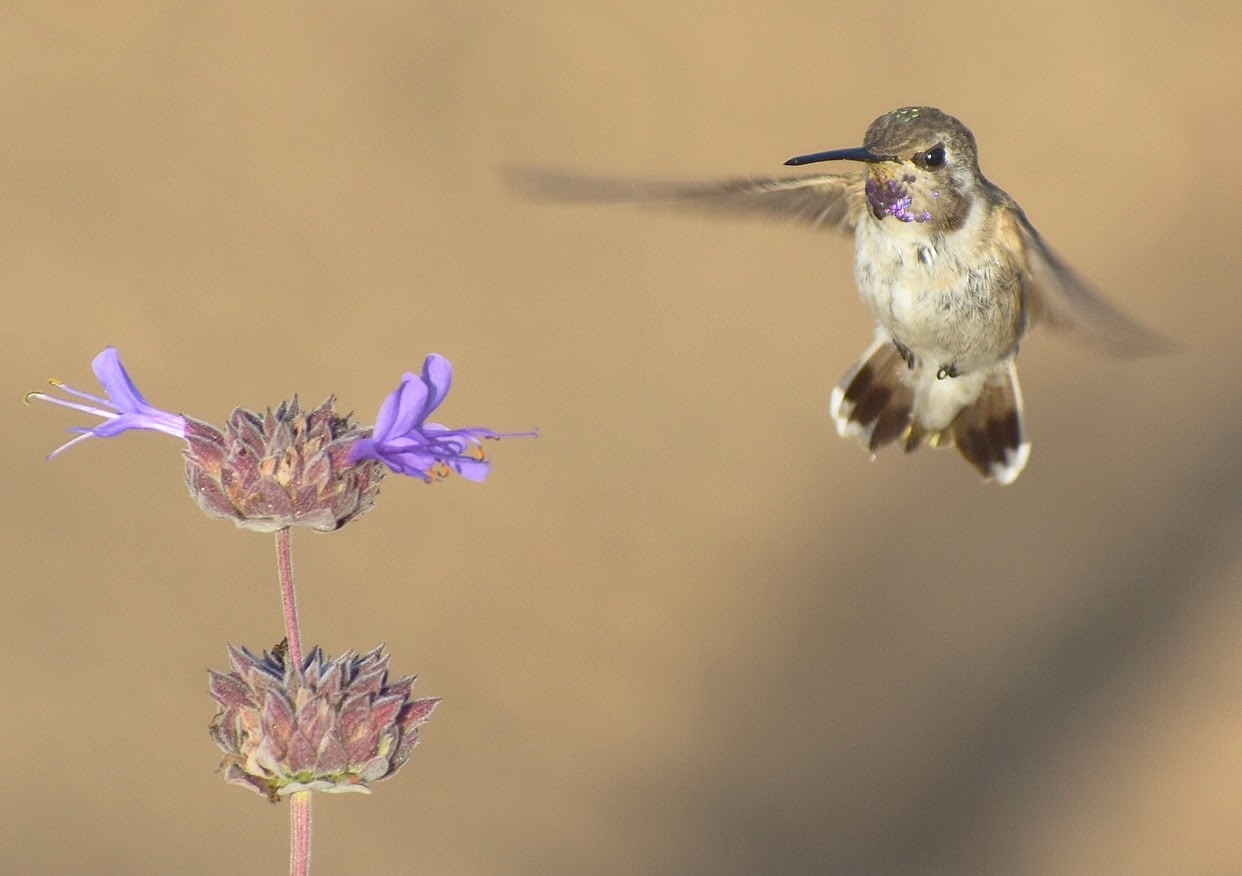
With permission from the Santa Monica Mountains Conservancy and the Fond Land Preservation Foundation to collect seeds and cuttings from plants in nearby wild areas, Roger now has several hundred plants growing in pots in his yard, and with the Sunland/Tujunga Neighborhood Council, is in the process of adopting this spot from the City. With help from the City Councilman’s office, the Theodore Payne Foundation, and FormLA Landscaping, the plan is to remove the Fountain Grass and replace it with truly local native plants in the fall. Some of the plants to look forward to in the garden include Arctostaphylos glauca, A. glandulosa, Ceanothus crassifolius, C. oliganthus, Delphinium cardinale, Dendromecon rigida, Epilobium (Zauschneria) cana, Trichostema lanatum, and Xylococcus bicolor. Once the plants get established, the butterflies and hummingbirds will join in to bring the garden alive.
If you have questions or comments, would like to know more about the project, or would like to help with the removal of the Fountain Grass or planting of the local native plants, please contact Roger at treehuggers@ca.rr.com.
Roger Klemm
August 2012
Links: