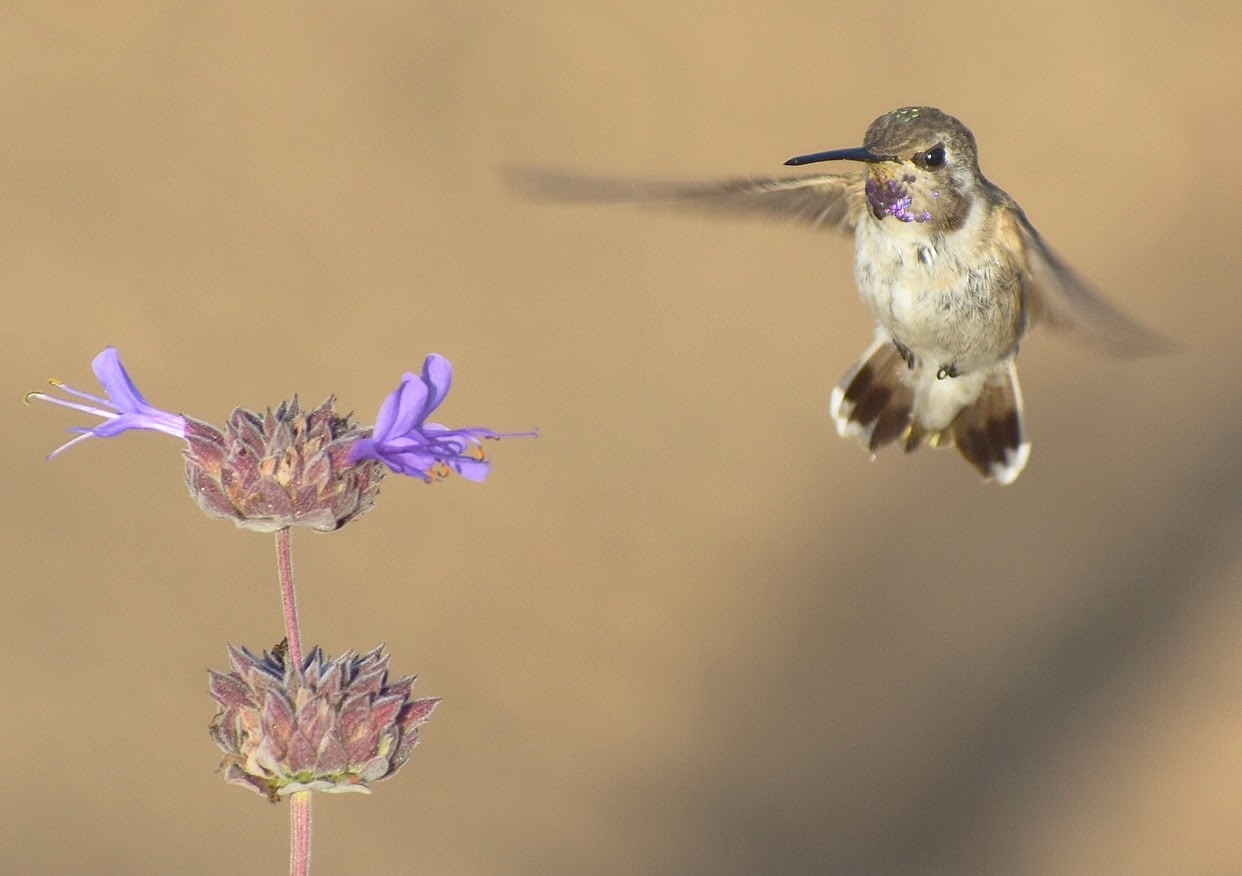
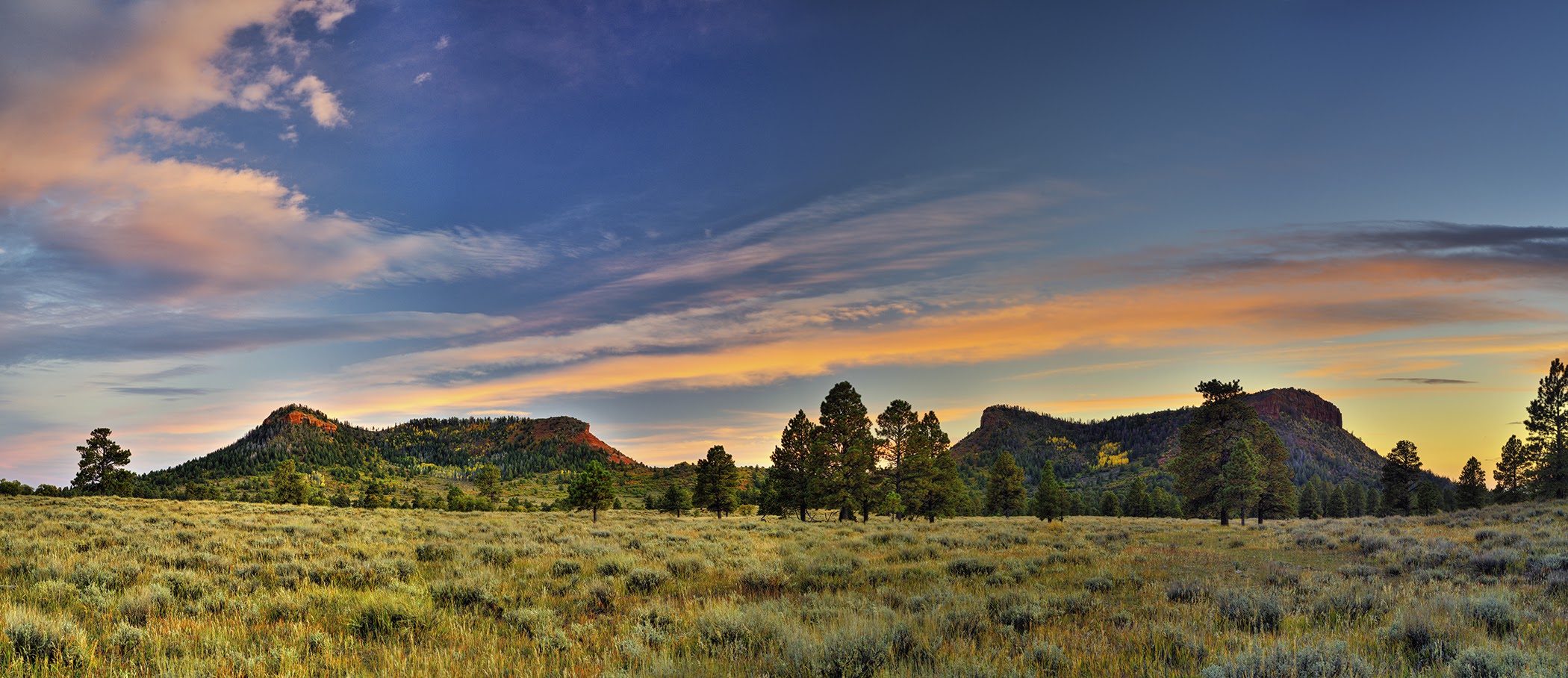
Fan palm (Washingtonia filifera) with paper wasp nest; Image: Keir Morse
By Amina Sharma
It’s Friday Links time, so let’s sail off into the weekend with news from the native plant world and those adjacent to it. Why are we linking to articles about beavers and butterflies? Because we are all connected in this great and gorgeous web of life. Stay cool, my friends.
- The Tule River Tribe has a new ally in its fight against climate change: Beavers! Is there anything these industrious critters can’t do? (LAist)
- Speaking of wildlife, super excited about what will be the world’s largest wildlife crossing (complete with native plants) in an area that desperately needs habitat corridors. (The New York Times)
- A DIY transformation took one LA yard from thirsty bermuda grass to a waterwise pollinator haven with 25 native plants. (The Los Angeles Times)
- Perhaps insects are the ones in charge and we’re just, well, bugs to them? (The Guardian)
- An interactive map from the University of Maryland’s Center for Environmental Science aims to answer, “What will climate feel like in 60 years?” You can enter your city to get an answer.
- Twenty years ago, the idea that plants could have any kind of intelligence was scoffed at. But no longer: Find out how the field of botany is changing. (The New Yorker)
- Well this is fascinating—an unexpected side effect of rising CO2 levels. (Yale Environment 360)
- Do you know about the Xerces blue butterfly? It went extinct when San Francisco was being built, and now there are plans to replace it with a related species. (The Washington Post)
- Thank you South Coast Botanic Garden for showcasing California’s largest flower, the beautiful Matillija poppy. (TikTok)
- Meme of the Day