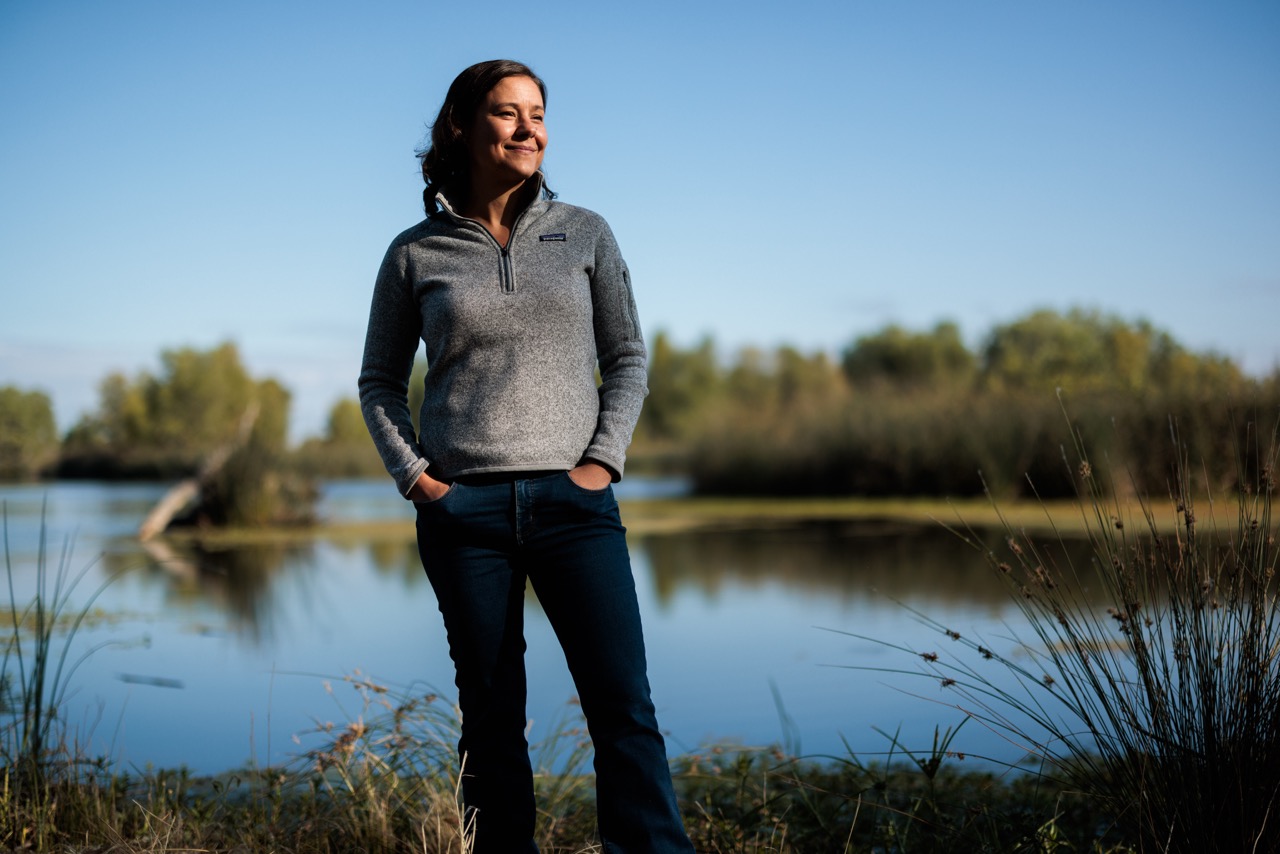
CNPS Garden Ambassador: Linda Richards

CNPS Riverside/San Bernardino Chapter
Garden Location: Front and back yard
Garden Size: 2,200 square feet
Year Planted: 2009
Virtual Garden Tour: https://www.youtube.com/watch?v=3b72TUQJ_fk


Linda and Tom love the habitat value of their native garden, not to mention its beauty, resilience, and cost effectiveness.
Linda and her husband Tom, who was an administrator for the U.S. Forest Service, were familiar with native vegetation and the important habitat it provides for local wildlife. When they moved to California in 2002, Linda started learning about California native plants, and was smitten. Over the years, they have transformed both their front and back yards into native oases.
In the front yard, Linda and Tom replaced the west-facing lawn, and now have a very happy 10-year-old, mostly native garden. The back yard already had some old-growth non-native and native trees and shrubs, including an 80-year-old sugar bush (Rhus ovata). They also have a north-side area that showcases shade-loving natives.
Linda and Tom love the habitat value of their native garden, not to mention its beauty, resilience, and cost effectiveness. They appreciate all the seasons of their garden, especially since they planted for year-round color, but really love the spring when it comes to full life. The native garden has been enjoyed by many others as well, as it was featured on the Redlands Horticulture and Improvement Society garden tour. It also received an award as part of the 2011 Waterwise Landscape Contest sponsored by the San Bernardino Valley Municipal Water District.
As a CNPS Garden Ambassador, Linda is currently working with the city to establish more native plants in parks and medians. Linda has also written many fantastic articles on the benefits of native plants for newspapers and for her blog www.ifnaturecouldtalk.com.
Linda’s favorite California native plants
- Manzanitas (Arctostaphylos ssp.) – We’ve grown 4 different types and all have done well. Love their drought-tolerance and year-round beauty.
- Nevin’s barberry (Berberis nevinii) – It’s endemic to our area and has done very well. It is also very resilient, and provides berries for birds
- Buckwheats (Eriogonium ssp.) – We have a half dozen types that provide such variety in size and color, and they’re great wildlife magnets. Their seeds feed birds, their nectar feeds butterflies, and they host ladybug nurseries.
About the Garden
Garden Location: Front and back yard
Garden Size: 2,200 square feet
Year Planted: 2009
Lawn Removal (method): It died mostly before we moved in but we hired someone to dig out the top layer.
Design and Installation: My husband, Tom Gillett and I designed the garden. We did hire someone who brought in boulders and rocks, and we relied on him for much of their placement. Tom and I were co-partners in installing the garden.
Go-to Native Plant Nurseries: Rancho Santa Ana Botanic Garden
Irrigation: In the front we have an overhead spray we employed the first year, but have hand-watered since then. In our backyard where we have plugged in natives in various places, we have a spray irrigation system. Our west-facing hot former lawn gets watered once to twice a month in non-rainy months. Most of our backyard gets watered once to twice a week in non-rainy months.
Maintenance: Tom and I are co-partners. Some pruning mostly in winter, general clean-up several months of the year.
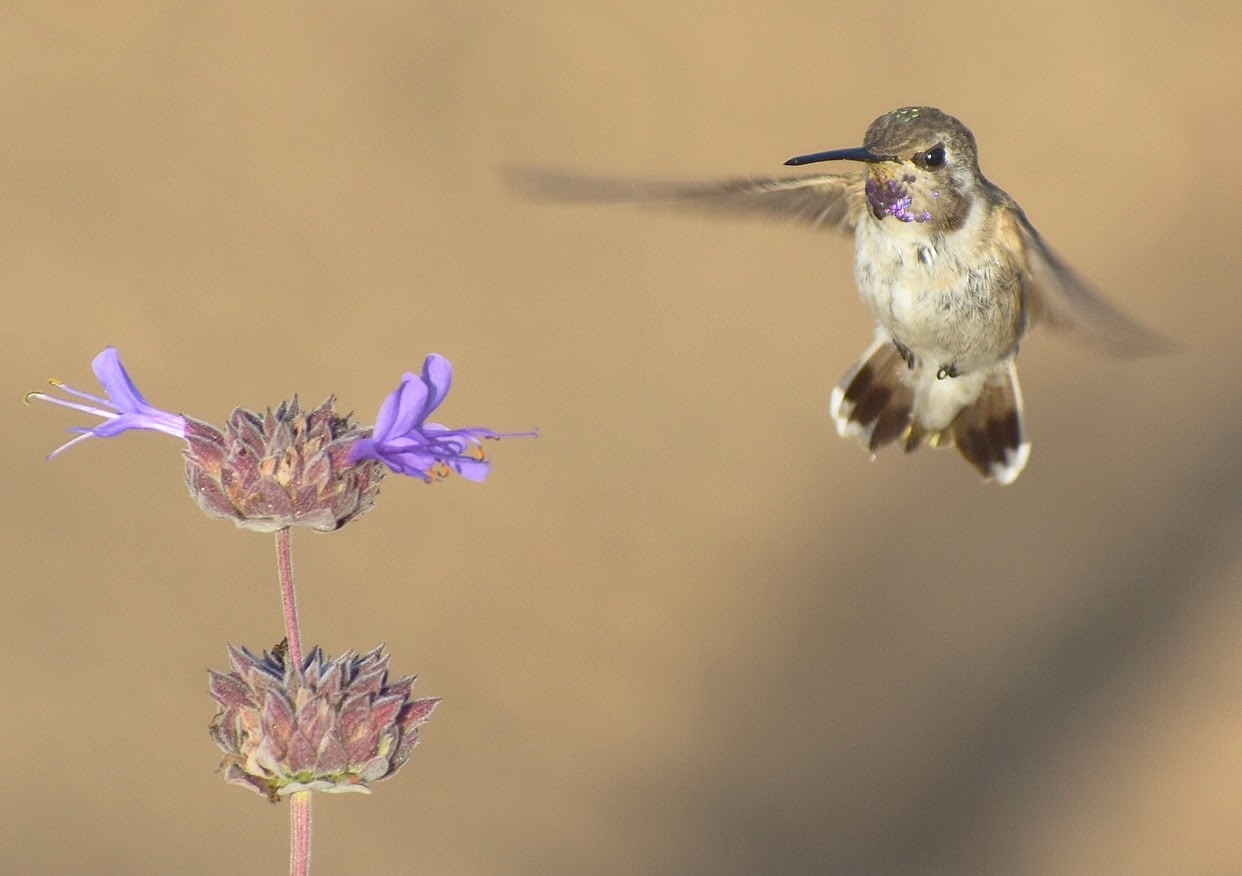
Wildlife Spotted: Yes! resident lizards, possum, foxes, hummingbird and many more birds, for example we have the normally desert bird phainopepla which now resides here year-round, eating the variety of berries we have. Also, have documented many native bees, wasps, flies….
Favorite Element: Watching the critters (birds, native insects, etc) it has attracted.
Biggest Challenge: Knowing how much to water and when in the summer months
Advice: Plant in the cool months, water heavily at planting, water to establish and enjoy.
California native plants in Linda’s garden
CNPS Horticulture Team