By Amina Sharma
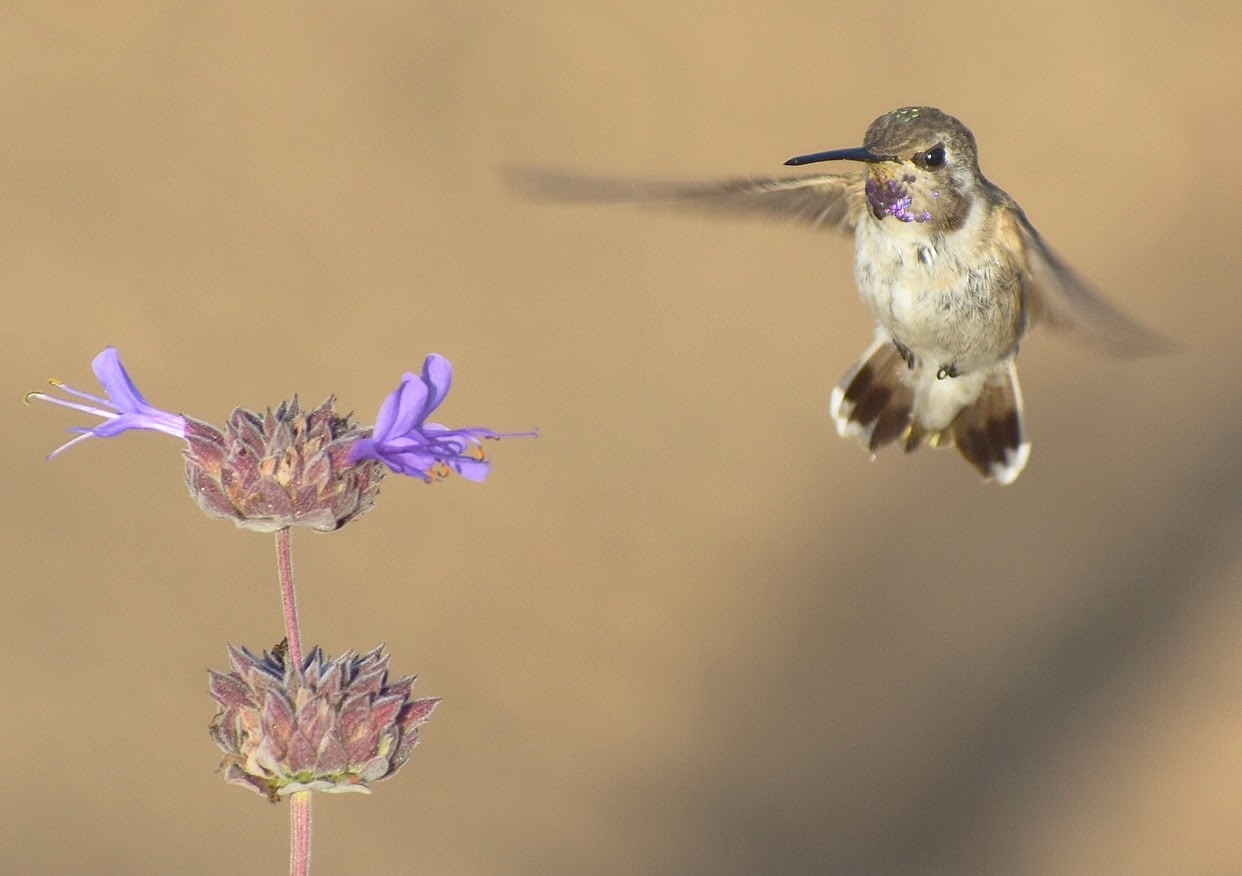
If you build it, they will come. Birds, that is, and other pollinators like bees and butterflies. In fact, native plant gardening is the best way to support wildlife right where you live. Knowing that you’re providing habitat and nourishment for wildlife is part of the joy and purpose of gardening with native plants. Taking time to watch your garden and see who comes to visit is part of the delight. It doesn’t matter how big your space is—if it’s a yard or a balcony—you can still make your garden into a biodiversity habitat with these seven simple steps.
Step 1: Banish useless turf and invasive plants.

The first step may involve the most manual labor, but it’s necessary and will bring huge rewards. If you have a decorative lawn, get rid of it. Lawns drink a lot of water (according to the California Department of Water Resources, about half of the water we use at home is spent on outdoor landscaping), consume fertilizer and pesticides, and require frequent mowing. Plus, they’re about as biodiverse as a chalkboard. Learn about grass removal options and take a look at a recent CNPS webinar on lawn alternatives. Then, get your tools, a few friends, and ditch the turf!
Even if you’ve already killed your lawn, you may still have invasive plants like pampas grass and Mexican feather grass hanging around. Invasive plants are not native to the area and spread widely with little competition since they are not in their own native habitat. Take a look at the California Invasive Plant Council’s (Cal-IPC) website for an A-Z listing of invasive plants and plants to watch. Cal-IPC defines invasive plants as “. . . plants that are not native to an environment, and once introduced, they establish, quickly reproduce and spread, and cause harm to the environment, economy, or human health.”
Step 2: Choose native plants that are local to your region.

California is a big state with a dazzling array of ecosystems. Choose the plants that are native to your region. These are the plants the pollinators and wildlife in your area have evolved to rely on. Growing locally native plants also restores a sense of place to your landscape and showcases the natural beauty of your region. You can match local plants with the pollinators they support by visiting the Pollinator Hub on Calscape.org. Be sure to create an account on Calscape to save your plant list and download it for trips to your local native plant nursery.
Step 3: Grow a variety of plant life.

Design a garden based on plant communities by creating a garden-sized version of a desert, meadow, chaparral, or other favorite habitat. You’ll grow native plants that complement each other in terms of water, sun, and soil needs—and look beautifully harmonious. Pollinators and wildlife will also appreciate a variety of plant life. A small balcony or garden tree can provide shade and places to rest or build a nest. Flowering shrubs give sustenance and shelter. Native grasses provide cover for ground-dwelling insects and support moths and butterflies. Visit the Calscape Garden Planner and get gorgeous downloadable designs in just minutes.
Step 4: Cultivate plants that bloom and seed at different times of year.

Plants that only bloom in spring provide a dazzling display, but what’s left for pollinators and wildlife at other times of the year? The good news is that you can have it all, with a little careful planning. Go through the plant list you created on Calscape and see when the plants bloom or fruit. For example, wildflowers will give you dependable spring blooms. Depending on your region, plants that flower in summer like California fuchsia (Epilobium canum) provide summer nectar for hummingbirds and other pollinators when not much else is blooming. In the winter, manzanita (Arctostaphylos spp.), which can be groundcover, shrub, or even small tree, bloom with small flowers that are much-loved by wildlife, followed by berries that are popular with birds and mammals.
Step 5: Provide a source of water.

Water is life. When wildlife discover that your garden supplies food, shelter, and water—they’ll be more likely to visit and may decide to stay. A water feature provides crucial hydration to birds, insects, and mammals in summer and drought. It doesn’t have to be fancy! Some gardeners may opt for a fountain, and the sound of flowing water is soothing. Birds will be happy, however, with a simple bird bath that gets emptied and refilled daily. You can also build your own simple bee bath by placing a saucer or bowl on the ground, filling it with pebbles and a few rocks for insects to perch on, and adding water. Whatever the water source is, be sure to maintain it by keeping it clean and filled, so that wildlife know they can rely on it.
Step 6: Let nature be.

The very act of gardening imposes the gardener’s will on nature. For biodiversity, also let nature impose its will on the garden. Try leaving seed pods on wildflowers until they fall to the ground, seeding next year’s blooms. Leave leaf litter under trees and shrubs. It will nourish the soil as it decomposes, retain moisture for roots in the hot summer months, and provide a home for native bees. Did a branch fall off a tree? Leave it—it will serve as shelter for birds, mammals, lizards, and insects. For a balcony or patio, you may be able to collect a branch that a neighbor trims from a tree and place it in your garden to mimic the effect. Perhaps a visiting bird will rest upon it or even build a nest!
Step 7: Embrace biodiversity in all its forms.

A biodiverse garden embraces nature as it is, rather than as we perceive it to be useful or beautiful. You may delight in butterflies, delicate moths, and fuzzy bumblebees. You will also probably see large orb-weaver spiders, which spin intricate webs to ensnare other insects. You may encounter aphids on native milkweed. Generally harmless, they excrete a sticky honeydew beloved by ants. Remember that in nature nothing goes to waste: Hummingbirds use spiderweb silk to build their nests and ladybugs eat aphids. Try keeping a nature journal to make notes and drawings throughout the seasons. As you look back over the years, you’ll see what effect a rainy season had on biodiversity or what happened the year you planted something new. Enjoy the deeper relationship you now have with all stages of life in your landscape. Happy gardening!