Summer 2025
By Stu VanAirsdale
Christian La Mont was making reality TV near Nome, Alaska, roughly 15 years ago when he realized he wanted to tell a different story. Filming and editing shows like Flying Wild Alaska and others was helpfully paying the bills for the recent film school graduate, who was born in Mexico City and raised in Colorado. Along the way, though, as he became acquainted with the Inupiat Peoples of northern Alaska, La Mont found himself rethinking his relationship to the land, animals, and much else of what he thought he knew about nature and conservation. Returning home to Los Angeles after production, La Mont channeled his interests—and his auspicious timing—into content for Instagram, Facebook, and other burgeoning social media platforms.
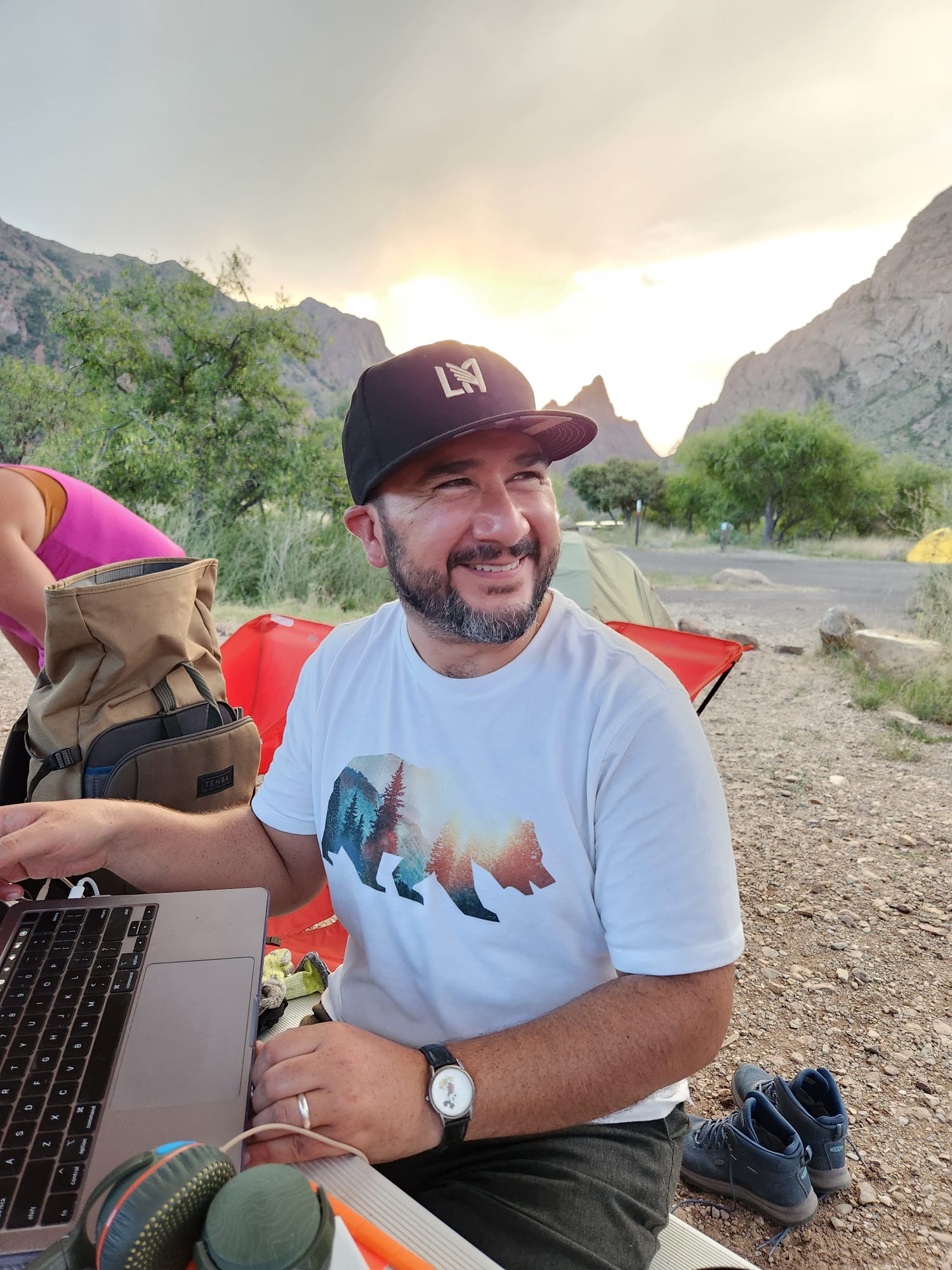
Christian La Mont of Latino Outdoors at Big Bend National Park in Fall 2023. (Photo credit: José González)
“Around that time, a lot of activists and social justice movements started using these tools,” La Mont recalls. “I was overqualified to take a picture on Instagram, but organizations and brands were kind of intimidated. They’re like, ‘What do we do? How do you tag someone?’” Soon, La Mont was collaborating on campaigns for Schools Not Prisons, Health4All, and other nonprofit groups and social justice causes. “After a while,” he says, “you start learning and getting attached to these issues, and you start caring—the same thing that happened to me in Alaska.”
Today, as the Communications Program Manager for the organization Latino Outdoors, La Mont is among the prolific creators producing social media content at the intersection of people and place. Instagram has grown from a photo-sharing juggernaut into arguably the definitive all-ages multimedia forum for faces, voices, and ideas in the conservation movement. TikTok, Bluesky, X, Facebook, YouTube, Pinterest and other platforms have unique reach and audiences of their own, which creators monitor for trends and other opportunities for viral messaging.
That messaging can range from earnest organizational pleas to gonzo irreverence—sometimes in the same post, which can be a good thing. “I feel like so much of environmental and conservation communications relies on telling people they should care,” says Teal Lehto, a social media consultant who posts her own environmentally themed content on Instagram and TikTok at @westernwatergirl. “It is our job as environmentalists and conservationists to make a case for why people should care. And we have to do that in a way that’s engaging and not alienating to people.”
Based in Colorado, Lehto specializes in direct-to-camera videos that merge water-related news around the West with her own background in conservation science. Her wryly enlightening monologues balance the basics of her subjects with her singular, sometimes spicy interpretations of the news. She particularly appreciates the value of a good meme, which can hitch a message to a moment while delivering topic-specific irony along the way. “Memes can teach people in a way that I don’t think mainstream media has caught onto yet,” she argues. “They allow high-level ideas to be broken down into a really understandable way that I think is necessary in the conservation community.
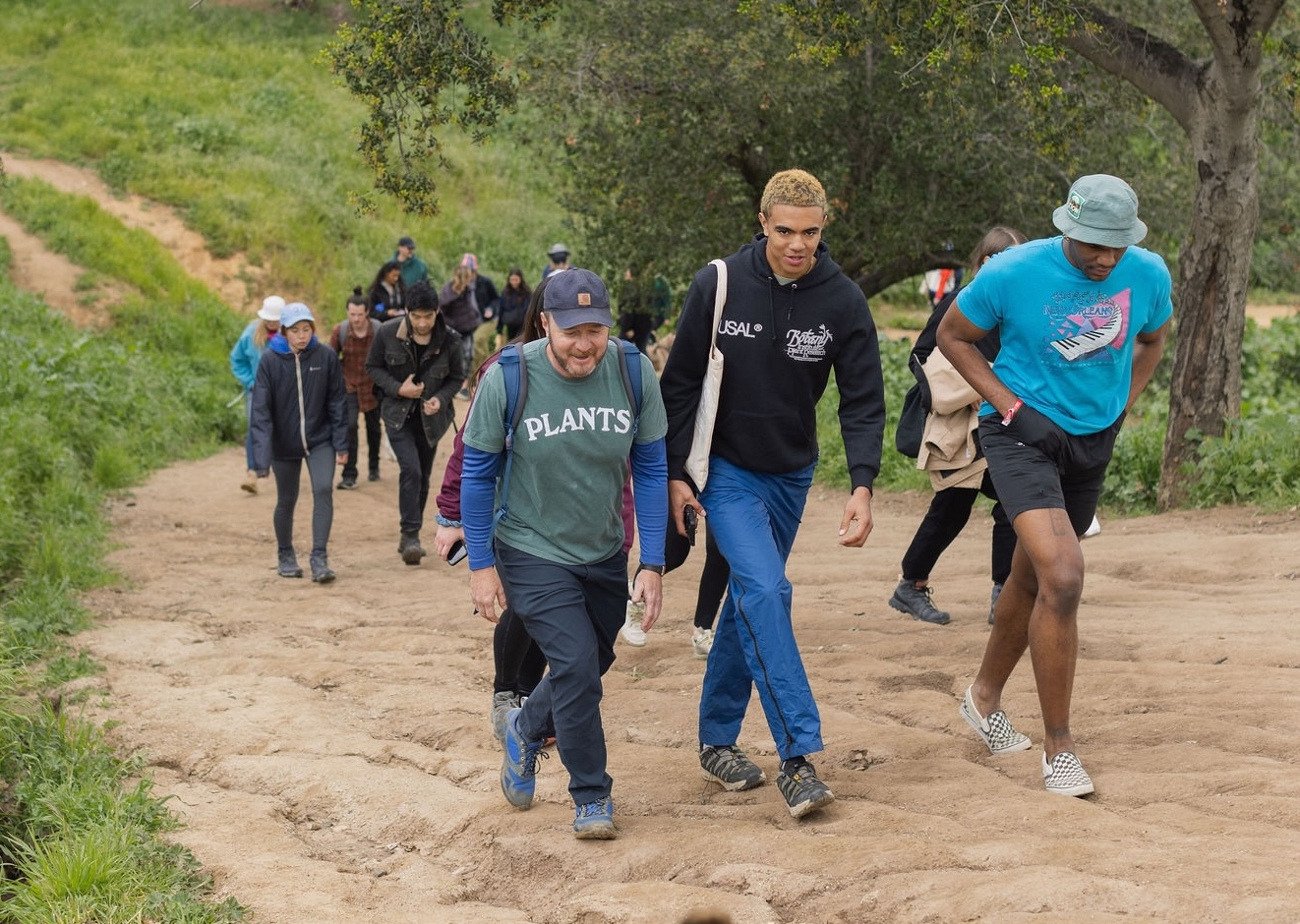
The Los Angeles-based creator, educator and CNPS member Jason Wise—who produces content and leads nature-themed walks and hikes under the handle @JasonJourneyman—pivoted to his current role from a windowless office job in government affairs. When he started calling in sick to go hiking, he says, he knew it was time to find a new livelihood. Wise went back to school, studied science, and embarked on a teaching career that wound through schools and Zoom and finally to the trails where he now finds himself most days. He experimented with educational social content along the way, breaking through with a video about the history of the Los Angeles River that has drawn more than 3 million views across social platforms.

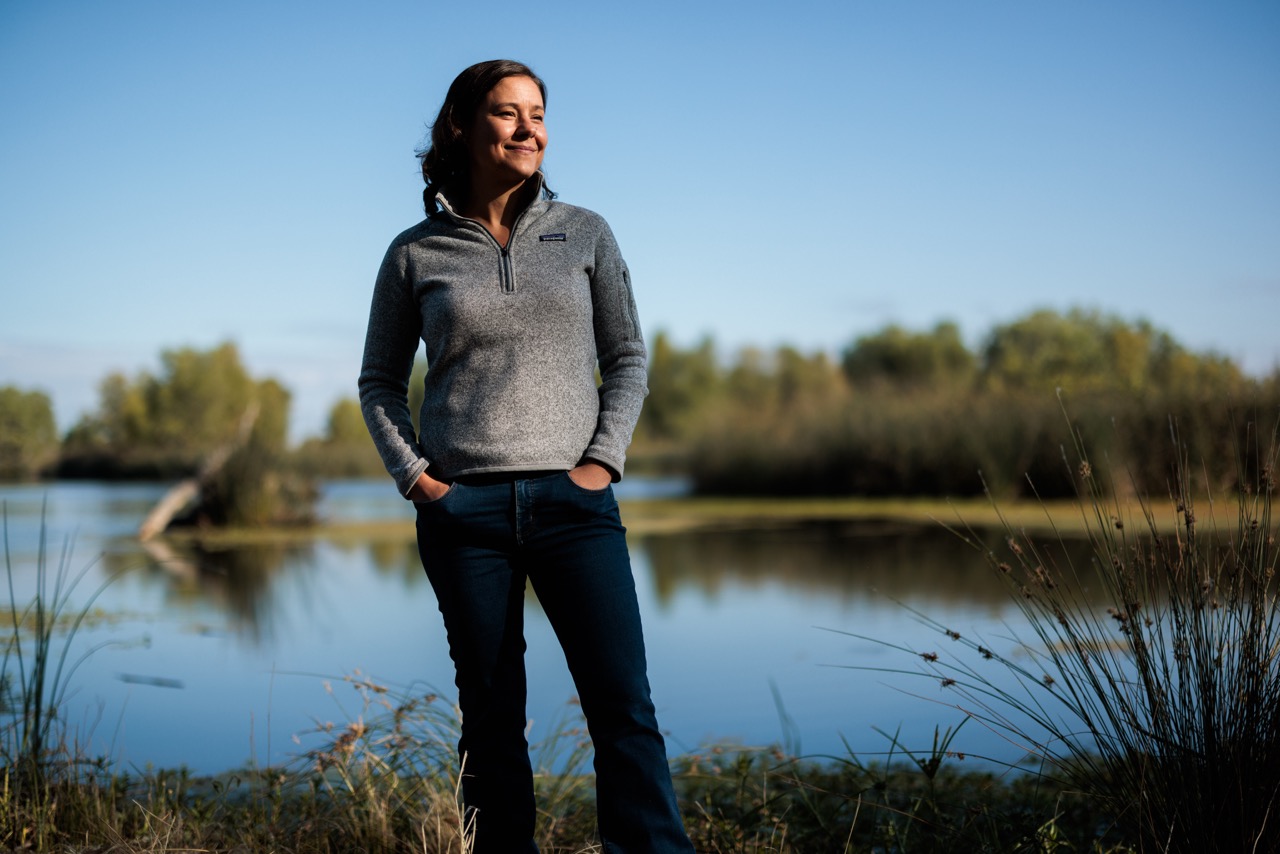
Teal Lehto creating content as @westernwatergirl (Photo credit: Shannon Mullane/The Colorado Sun)
“I just try and make things fun,” Wise says. “It has to be condensed and quick and zippy to keep someone’s attention. You only have a minute or maybe a minute and a half to convey something. The idea is that you get someone to keep watching, so you have little bits in there that draw people in.”
Wise says his “Jason Journeyman” persona on social media isn’t appreciably different from his own—a musical-theater kid who was always good at memorizing scripts and now records his own for editing and shaping for his audience online. He also weaves threads of his LGBTQ+ identity and culture through his work, including leading “Queer Ecology” hikes in June for Pride Month. Native plants feature prominently throughout his curriculum and content, from showing the impact of invasive species to showcasing pollinators at work in native plant habitats.
Both online and in real life, Wise always returns to the importance of conservation and action, whatever forms they take. “Action could be knowing about invasive plants and removing them when you see them, or caring for ecosystems and plants at home on your own—just a little form of resistance to try and rebuild what has been so damaged.”
La Mont and Lehto bring similar objectives to their own content, where they know even the most viral reach may not matter if it doesn’t compel some of its audience to act. That action may start innocuously enough as a “like” on the post, La Mont says, which may lead to visiting a threatened site, which may lead to working to protect it. But innocuously or not, the action does start, and the movement continues.
“This is a person’s journey from a casual browser to a participant, to a steward, to an advocate,” La Mont says. “And then hopefully the next step is into being a leader, into being a legislator—into more. That’s the journey that we hope to help people go through when we show them our content.”
Teal Lehto’s tips for content that breaks through the noise

Illustration by Ghazal Qadri
Do…
1. Humanize your account: People like stories about people! Use your own words to explain why you care about nature so people can easily relate to your story.
2. Measure success by shareability: Before you post, ask yourself if you would share this with your own friends and followers. If the answer is “no,” then you need to rework it.
3. Prioritize visual storytelling: People often scroll with the sound off, so rely on images, videos and subtitles to reach them. Fortunately, there is no shortage of beauty for us to capture out in the natural world, so this shouldn’t be too hard.
Don’t…
1. Use social media like a bulletin board: Make content to engage with people, not just to announce things. Interact with your followers and other nature focused accounts to create community.
2. Forget to explain why someone should care: As nature nerds, it’s easy to forget that not everyone already cares about our natural world and that it’s our job to convince them to.
3. Be afraid to have fun with it: It’s social media—it’s really just not that serious. Viewers can tell if you had fun crafting your content. So get creative with it, and don’t be afraid to experiment!