BY MICHAEL KAUFFMANN
CNPS and partners replant coastal rock gardens in wake of Dudleya poaching
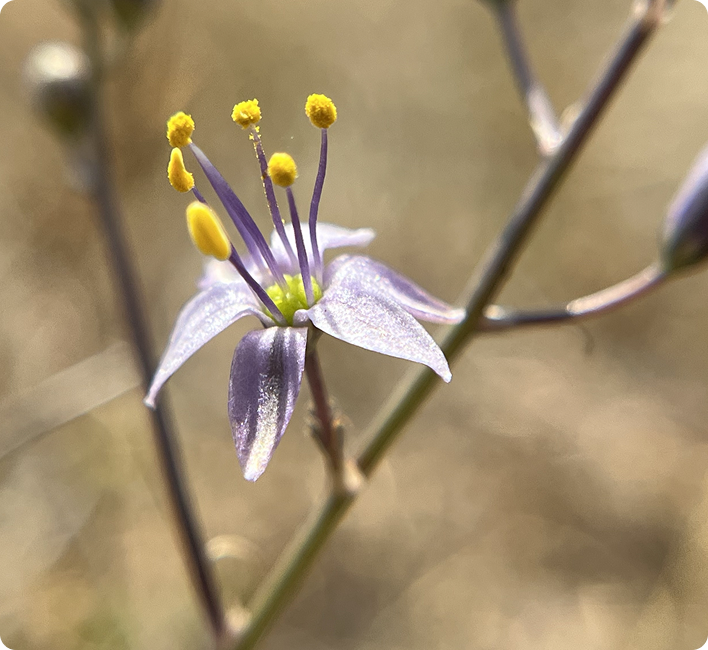
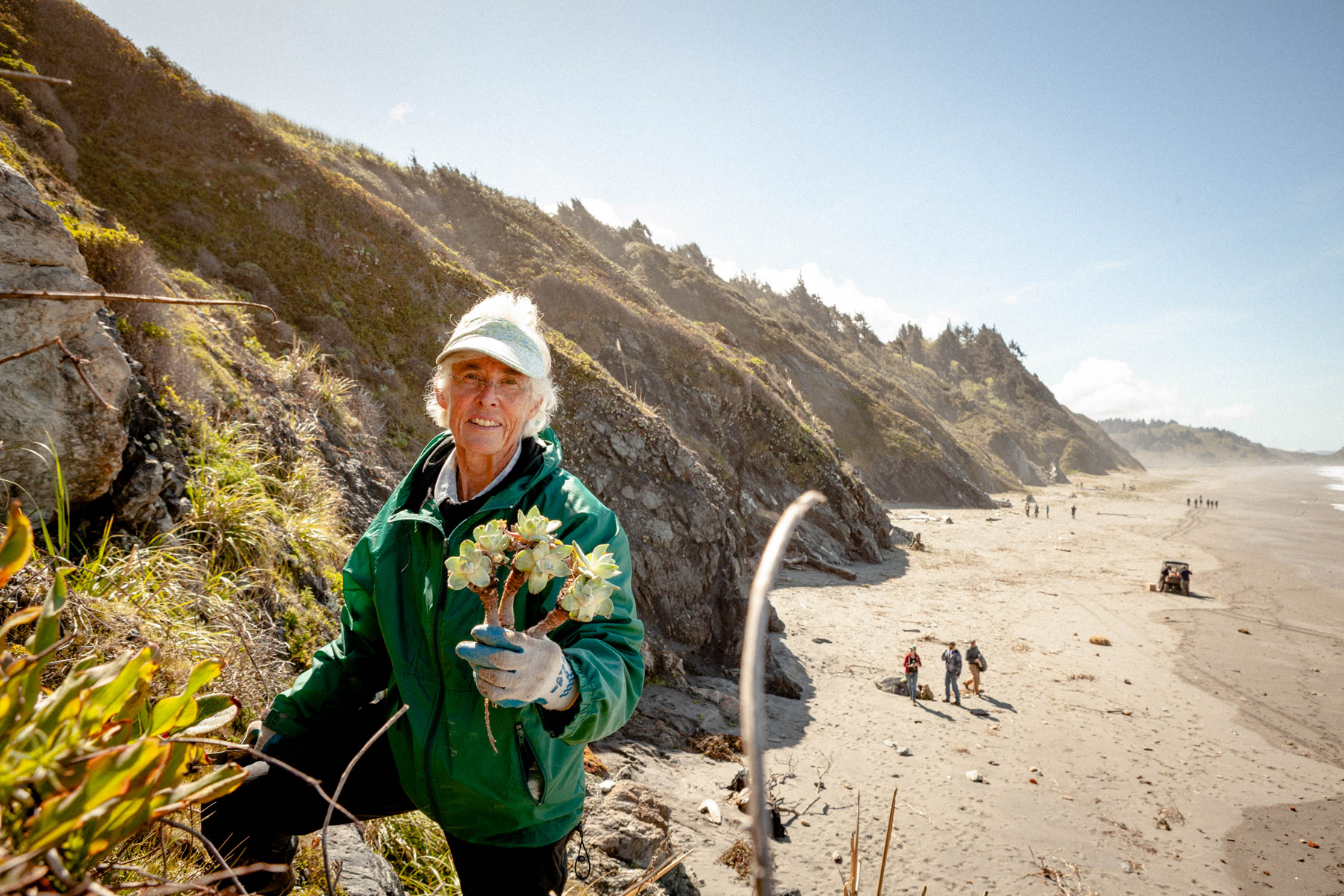
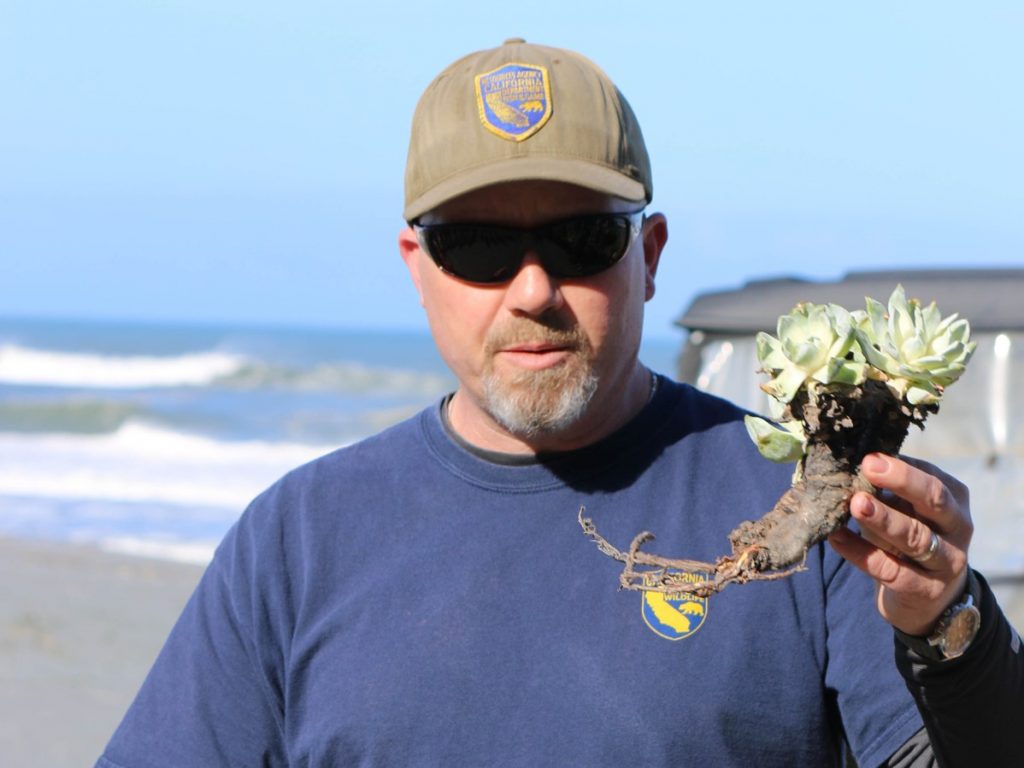
Recently, the California Department of Fish and Wildlife intercepted Dudleya farinosa poachers in both Mendocino and Humboldt counties. Game wardens working in these areas typically spend most of their time looking for abalone poachers, so the Dudleya thefts presented a different kind of dilemma. In response, CDFW reached out to a number of partners, including Redwood National and State Parks and CNPS. The community rallied quickly and began organizing Dudleya replanting parties like the one featured in this issue’s photo essay. I was fortunate to be able to join the group and witness, first hand, the strength and passion of our native plant-loving community.
The genus Dudleya is in the family Crassulaceae which survives in areas that see dry and/or cold periods, often coupled with water scarcity. In California, Crassulaceae is well represented by charismatic genera like Sedum and Dudleya. Both groups have evolved the ability to store resources in their distinctive fleshy leaves and thickened stems to survive sub-optimal climate variations. The succulent perennials in the genus Dudleya (about 45 species) are restricted to southwest North America.



How we protect California’s unique flora
• Promote leave-no-trace ethics.
• Insist that collectors purchase plants from certified nurseries.
• Obscure location information when reporting rare plants on databases like iNaturalist and Calflora.
• REPORT POACHING! From CalTip: Anyone who believes they are witness to unlawful poaching or pollution activity is encouraged to call CalTIP, CDFW’s confidential secret witness program, at
(888) 334-2258 or send a text to tip411. Both methods allow the public to provide wildlife officers with factual information to assist with investigations. Callers may remain anonymous, if desired, and a reward can result from successful capture and prosecution.
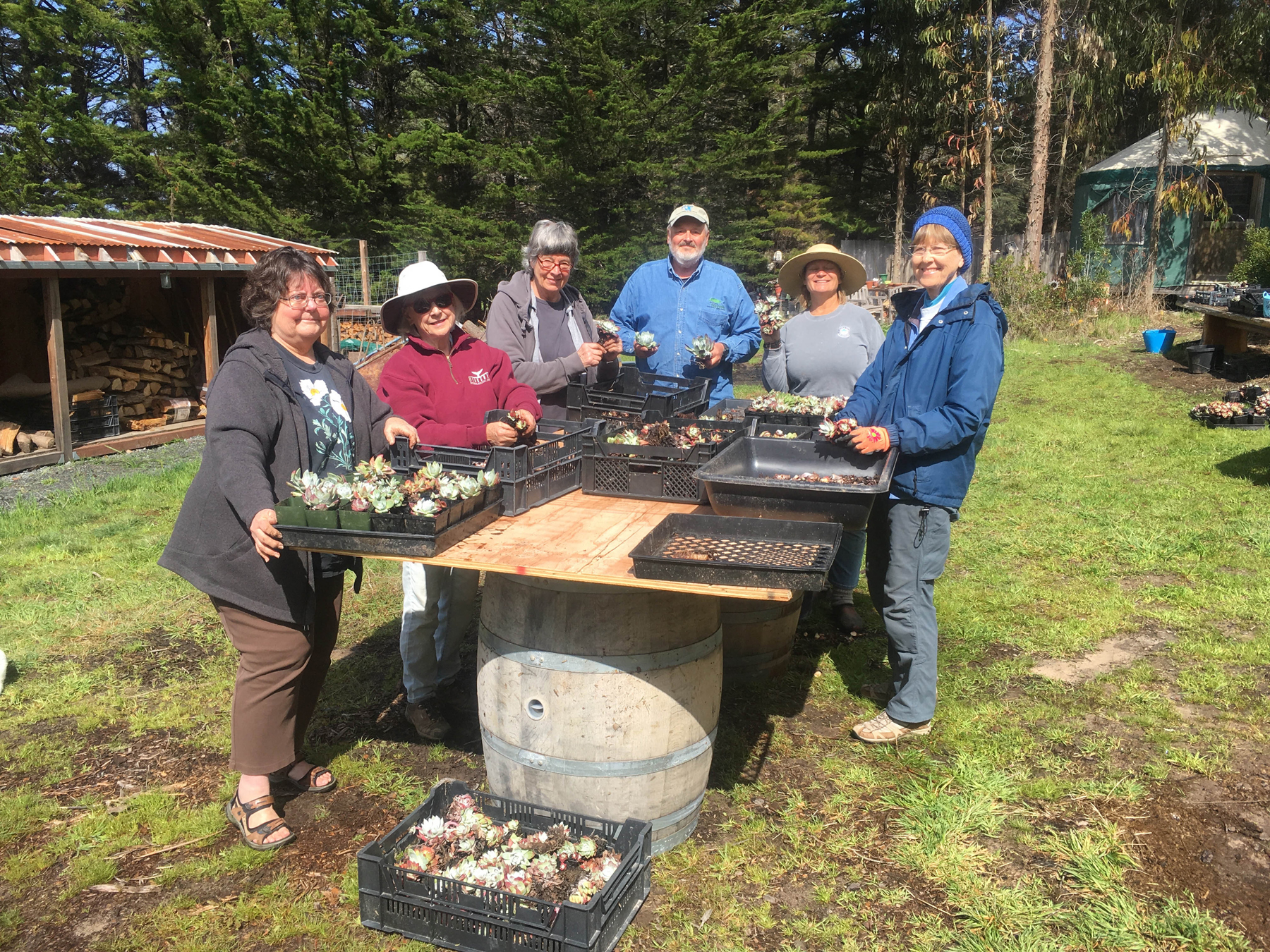
the retrieved poached Dudleyas. In total DFG estimates 800 lbs were confiscated from poachers. Of those, half were planted back on site, and the balance either potted up for rooting and later planting or given to botanic gardens for planting in their collections. From left to right: Nancy Morin, Laura Baker, Julia Larke, Doug Forsell, Kathleen Chasey, and Mary Sue Ittner. Photo: Lloyd Chasey