What traces of past oak trees reveal about their future
Fall 2021 · By Emily Underwood | Photos courtesy of La Brea Tar Pits Museum | Illustrations by Fred Roberts
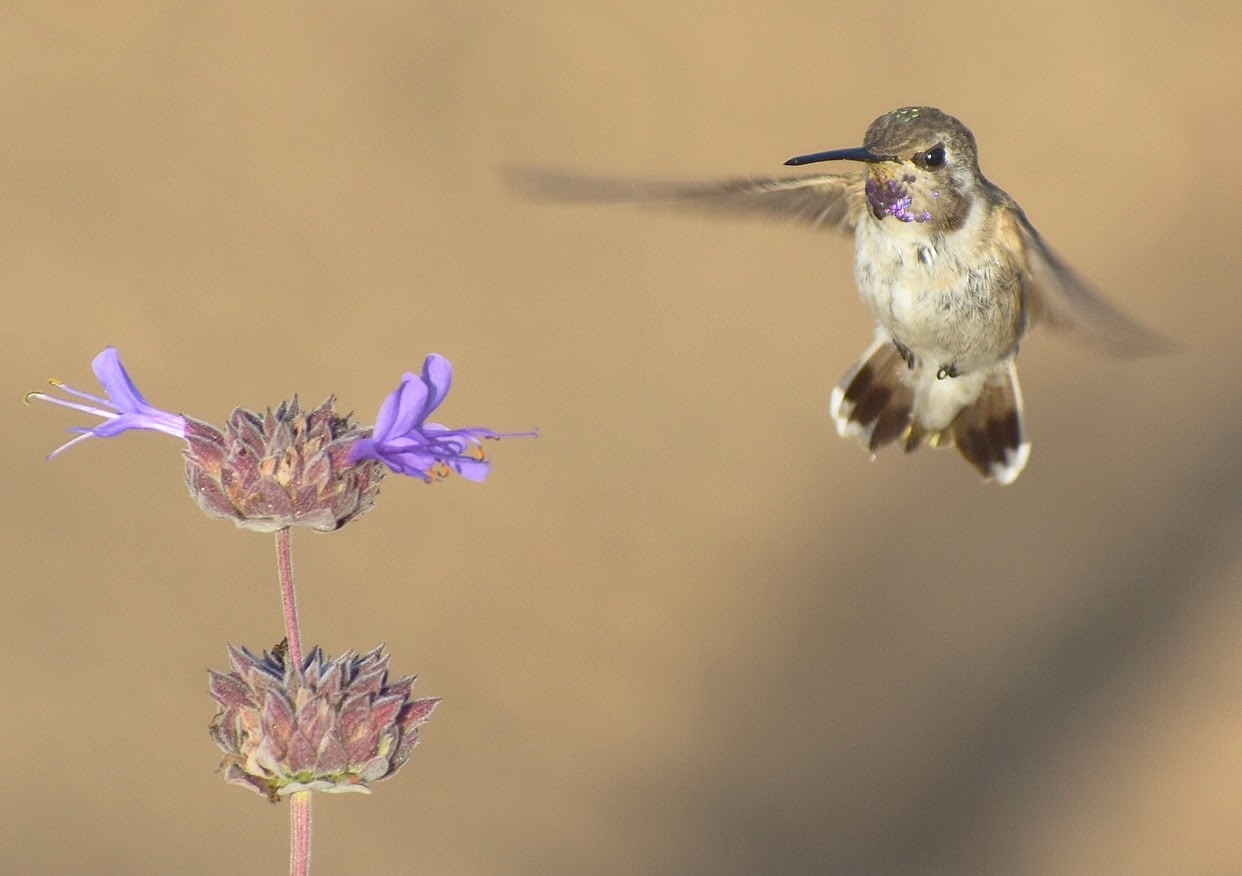
Above: 49,000-year-old coast live oak leaf fossils from the La Brea Tar Pits.
Most visitors to the La Brea Tar Pits come to see Ice Age beasts: the preserved remains of Columbian mammoths, dire wolves, and saber-toothed cats. But when paleobotanist Jessie George delves into the pits of oozing natural asphalt beneath downtown Los Angeles, she’s looking for plants: preserved wood, seeds, cones, leaves, and pollen grains that can help to reconstruct California’s ancient climate. Oak leaves are among the most common fossils in the pits because their tissue is so durable, she says, “It’s pretty spectacular to hold an old, dry oak leaf that you could have found on a hike—you’d never think otherwise unless you knew the journey it took to get to the collection—and know it’s 50,000 years old.”
It’s pretty spectacular to hold an old, dry oak leaf that you could have found on a hike—you’d never think otherwise unless you knew the journey it took to get to the collection—and know it’s 50,000 years old.

A coast live oak (Quercus agrifolia) leaf from the La Brea Tar Pits
To the casual observer, the oaks scattered throughout Los Angeles’s urban forests may blend in with the many non-native trees that shade the city’s streets and parks. But to those who know their history, these oaks hold special importance, as the trees that helped sustain southern California’s first inhabitants, the Tongva people, and as members of the 60-million-year-old genus Quercus.
The oldest oak leaves in California, found in northern parts of the state, date back at least 16 million years to the Miocene period. Fossil evidence suggests that oaks from multiple lineages became abundant after 11 million years ago, when our Mediterranean climate started to develop. During the last Ice Age, around 15,000 years ago, oaks receded until the Los Angeles Basin resembled what’s now the Monterey Peninsula, with stands of pines dotting the landscape. But they never went away completely, according to the fossil record, George says: “Oaks are an important presence across time.”
One thing a lot of people don’t understand is how much cultural fire has shaped vegetation communities in California.
Climate isn’t the only factor that has shaped California’s oak populations: For thousands of years, Indigenous tribes from many parts of California have tended oak woodlands through cultural burning, a practice that increases acorn yield, reduces insects and pathogens, and prevents conifers from encroaching on oak woodlands. “One thing a lot of people don’t understand is how much cultural fire has shaped vegetation communities in California,” says Don Hankins, a pyrogeographer at Chico State University and a Plains Miwok cultural practitioner who studies the effects of cultural burns on oak woodlands: “Oaks are a great example of that.”
By examining the relative amounts of oak and pine or other conifer pollen deposited in layers of lake sediment over the eons, researchers can tell how climate has changed over time. In general, more oak pollen means climatic conditions were hotter and drier, while more pollen from pines indicates a cooler, wetter period. But that pattern doesn’t always hold in California: In the ancestral territories of the Karuk and Yurok tribes in the Klamath Mountains, for example, paleoecologist Scott Mensing and colleagues examined the composition of lake sediments that date back to the Little Ice Age in the 14th century.
It’s now well-accepted that the “majestic,” open oak woodlands that European colonists described in early 19th-century California were in large part the result of Indigenous stewardship.

Even during that cold, wet period, Mensing found large amounts of oak pollen, as well as charcoal from frequent fires. He and his colleagues concluded that local tribes in the area had maintained or expanded nearby oak woodlands through cultural burns that kept Douglas-fir forests from encroaching, a phenomenon seen in sites across California and North America. When these burns ended in the area—because white settlers banned the practice and persecuted tribes—Douglas-firs closed in.
It’s now well-accepted that the “majestic,” open oak woodlands that European colonists described in early 19th-century California were in large part the result of Indigenous stewardship. (In a recent study, Hankins found that two years after a cultural burn, the percentage of land covered by native plants in a blue oak woodland was 43 percent, compared to an unburned control plot that had just 14 percent native plant coverage.) But the California government banned the practice during the gold rush, and subsequent federal fire suppression policies remained in place until the 1970s. California’s oaks are more fire-resistant than many other trees, thanks to their thick bark and ability to resprout from the base or dormant buds along the trunk or branches, even after their canopies have burned. But the legacy of fire suppression, combined with climate change and drought, has sent many ancient oak trees up in smoke.
Hankins, who lives in the Lassen foothills, witnessed firsthand the havoc wreaked on California’s oaks by the Camp Fire. He’s currently working with local communities and tribes to restore the scorched slopes around Paradise. Rather than replanting conifers, which won’t fare well under climate change, he hopes to replant more fire and drought-resistant oaks, including culturally important species like black oak (Quercus kelloggii), which produce what some tribes consider the tastiest acorns, he says. On his own property, where he conducts cultural burns, he is working to shift from mostly ponderosa pines to more black oaks, both to reduce fire risk and attract more wildlife. Already, he’s seen woodpeckers, deer, mountain and valley quail, band tail pigeons, and (most exciting) northern flying squirrels. “I would never have thought that flying squirrels would be here at my house, but I’ve got videos of them coming at night to our bird feeders, to scrounge on the nuts and what not,” he says. “I tracked them back to a cavity in a black oak, on a neighbor’s property.”
Deciding which acorns to plant, and where to plant them, is not straight- forward. As extreme heat and drought become more common, scientists expect that some species will shift to higher elevations. Some scientists are investigating taking acorns adapted to one microenvironment, and replanting them in a location where they might fare better in the future. The strategy, called “assisted migration,” is still a subject of intense debate. “People want to take oaks from their native environments, but there’s a lot of controversy around that,” says Prahlada Papper, who studies oak hybridization at UC Berkeley. “It might not be necessary.”
For Papper, one of the most astounding things about oaks is how different they are from us, physiologically. It’s hard for humans, as mobile, relatively short-lived animals, to imagine staying put in one place for centuries, relying on the atmosphere to draw water up through our roots rather than pumping blood through our veins, or reproducing through pollen grains we cast into the air, he notes. Yet an acorn carries instructions for how to survive such countless scenarios, including pairing up with symbiotic fungi to break up boulders and reach deep water, or resprouting a new trunk after a fire.
Oaks have survived—and thrived—in California for millions of years because they’re amazingly resilient to drought, heat, and fire. But even they have limits: If the atmosphere is exceedingly hot and dry, for example, and there’s not enough water for a tree’s roots to suck up from the ground, the water column inside straw- like cells called xylem, can snap like an overstretched rubber band, forming an air bubble called an embolism. Some oaks have more xylem cells than others, or cells that are more vulnerable to embolisms. These and countless other differences will affect how different oak species fare as the climate changes.
Some scientists argue that oak replanting efforts should focus on locally sourced acorns that are already adapted to the microenvironments where their parents grew. For one thing, climate change projections show a lot of variability at the local scale, and it’s not easy to pick future “winners.” For another, Papper says, hybridization among different oak species could already be passing around useful local adaptations. The three main groups of oaks—black, golden, and white— interbreed amongst themselves (but not between groups) with ease, contributing to a dizzying array of oak offspring that vary widely in size, leaf shape, color, and life history. Although hybridization species can sometimes erode the qualities that allow plants to be locally adapted, “We need to think about it on a case by case basis, to really understand whether in certain situations it might be beneficial,” he says. Just as important, Papper adds, are efforts to protect existing oak trees and habitats, including areas where potentially “brilliant” hybrids might be present.
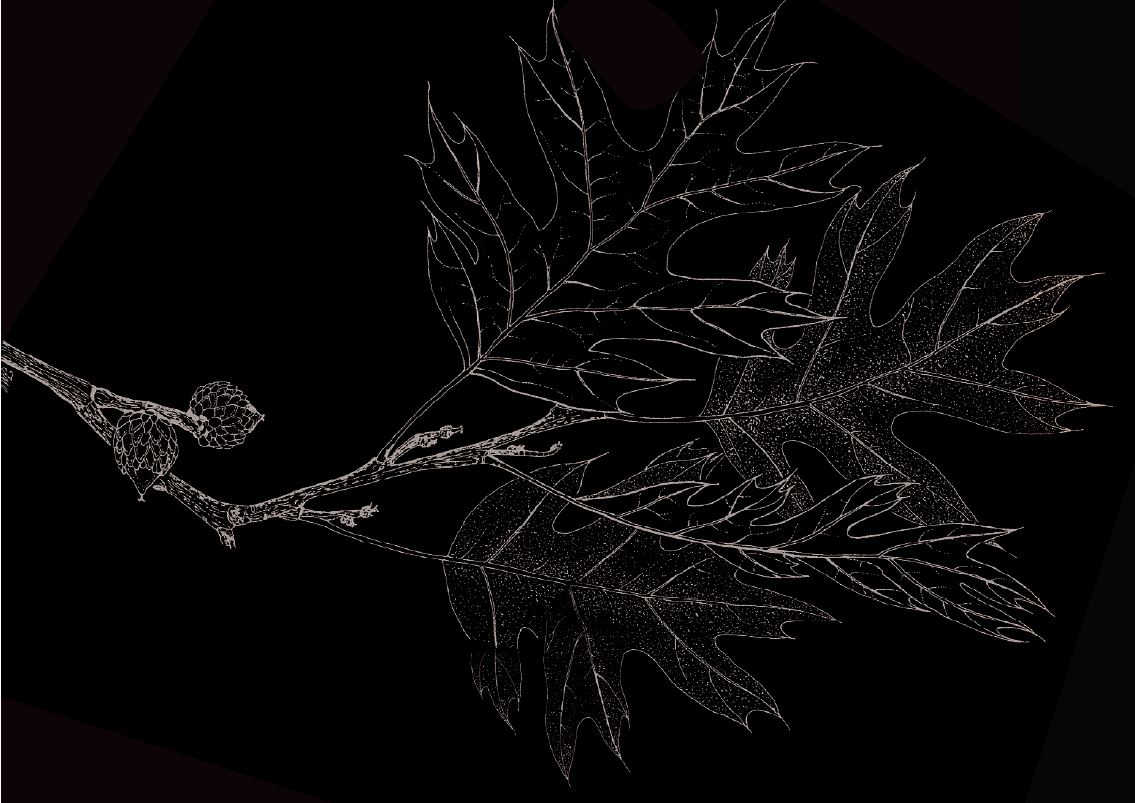
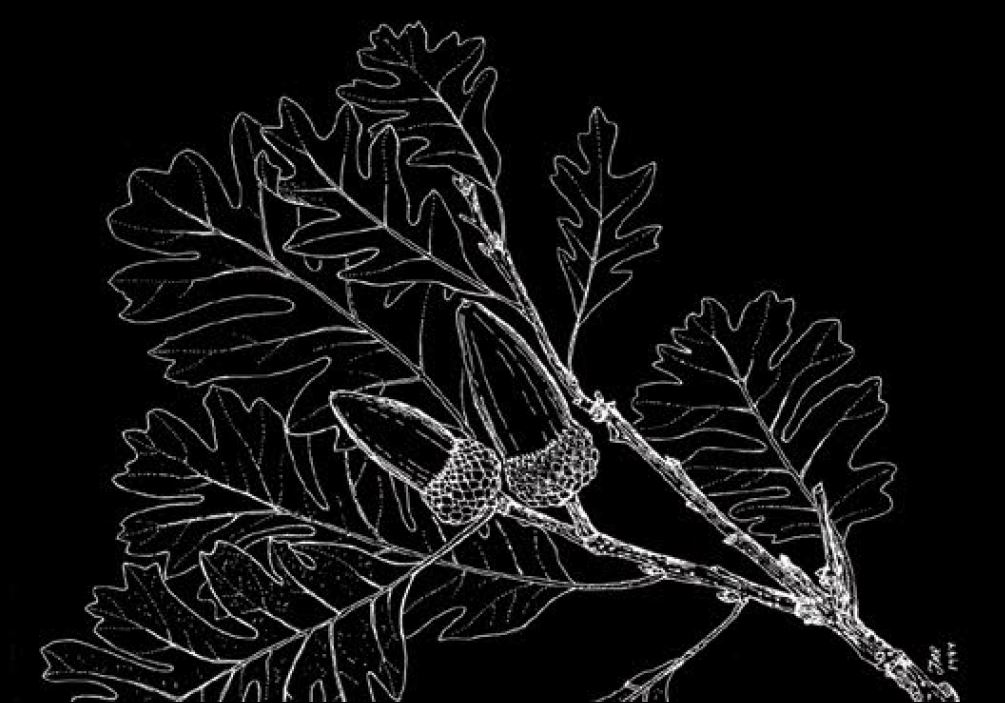
California’s oaks face many challenges in addition to climate change, including habitat fragmentation, herbivory, and competition from invasive plants. By the early 20th century, large swaths of oak woodlands had been converted into farmland and orchards or cleared to make way for cities and suburbs. Over the past 70 years, another million acres of oak woodlands have been lost to development, pathogens like sudden oak death, and wildfires, CNPS estimates. The loss echoes patterns around the globe, where one-third of the world’s 437 oak species are endangered. Many are threatened because their ranges are so small, says entomologist Doug Tallamy, author of The Nature of Oaks. “You put in a few parking lots, and they’re gone.”
The loss of oaks, and the challenges of restoring and protecting them, can seem overwhelming. Yet, there are some recent, hopeful signs for oaks and the habitats they support. One is that after decades of advocacy by Indigenous practitioners and scholars, the state is slowly starting to support more cultural burning. This September, for example, Gov. Newsom signed two bills that will make it easier for Native tribes to set prescribed burns on their own lands. Such efforts, led by tribes, need to be scaled up dramatically, Hankins and others emphasize.
Another hopeful sign comes from an ancient evolutionary partnership between oaks and their noisy, colorful companions, the jays. Over millions of years, jays and oaks have developed a mutually beneficial relationship built on forgetfulness. Tallamy first learned about it for himself by accident, watching blue jays bury acorns in his own backyard. When oaks produce a bumper crop of acorns, jays can bury up to 4,500 acorns, and usually travel farther from the mother tree than, say, squirrels, helping the trees spread their range farther and faster, says Tallamy. Once they bury the acorns, the jays forget where they left three out of four of those acorns, leaving them to germinate.
The most direct way to deliver caterpillars to the mouths of hungry baby birds is to plant an oak in your yard.
Recently, scientists have attempted to train scrub jays to distribute acorns in burned areas of California, including on a test site on the Channel Islands. The results are encouraging—if somewhat humbling—to those working to restore oak woodlands painstakingly by hand.
However we accomplish the task— by scrub jay or seedling—protecting and planting oaks is still one of the most powerful tools we have to bolster faltering food webs, starting with the precipitous, global decline in insect populations some have dubbed the “insect apocalypse.” In a 2020 study, Tallamy and his colleagues found that oaks across the United States support 952 species of caterpillar—far more than any other North American tree genus. Birds, many of whose numbers are also plummeting, usually need thousands of caterpillars to rear even a single clutch of nestlings, and smaller species don’t travel much further than 50 meters from their nests, he says. The upshot? The most direct way to deliver caterpillars to the mouths of hungry baby birds, Tallamy says, “is to plant an oak in your yard.”
Re-Oak California
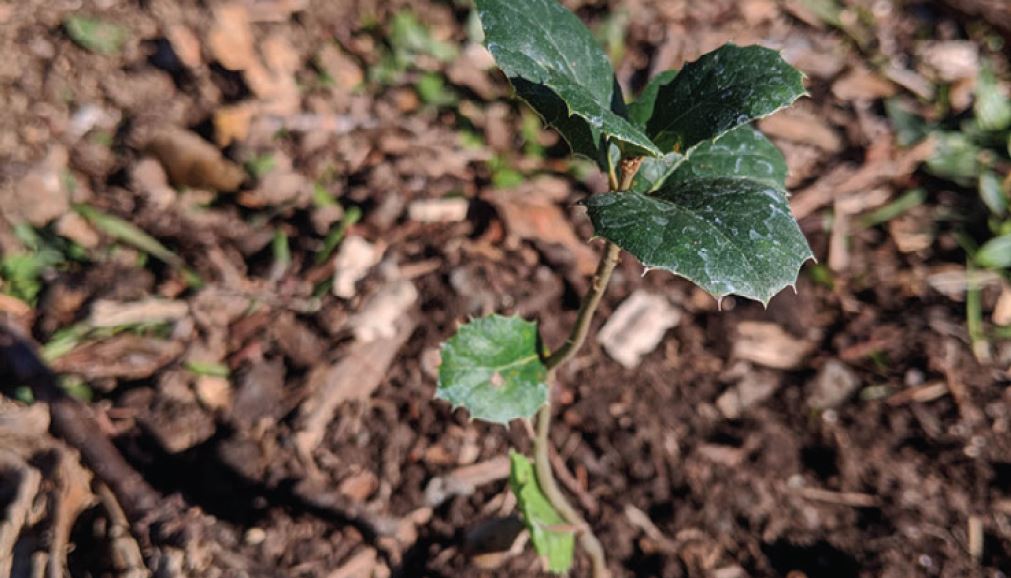
By Andrea WilliamsIn 2017, CNPS launched Re-Oak Wine Country, a volunteer effort to collect acorns from burned landscapes of Sonoma, Mendocino, and Napa counties. The next year, CNPS received and processed the acorns, grew them into seedlings, and replanted them near their mother trees, building on a groundswell of support to launch a statewide Re-Oak program. With 2020 came more fires, drought, and time to examine the program’s challenges and accomplishments and ask some questions: Shipping acorns, growing them into seedlings and shipping seedlings is costly, and establishing trees in the midst of drought is chancy. Going forward, can we keep materials local and plant acorns in most cases?
Collecting from older oaks and amplifying a single individual may not be best if we want seedlings adapted to a hotter, drier future. Should we collect from younger trees that are best weathering the recent years of drought? The future version of Re-Oak will address these questions and better “close the loop” with monitoring of our planted oaks. We thank donors such as the Schwemm Family Foundation, the BelleJAR Fund, local resource conservation districts, and local chapters for their generous support.