Inspiring students, engaging the public, and fostering new generations of native plant professionals
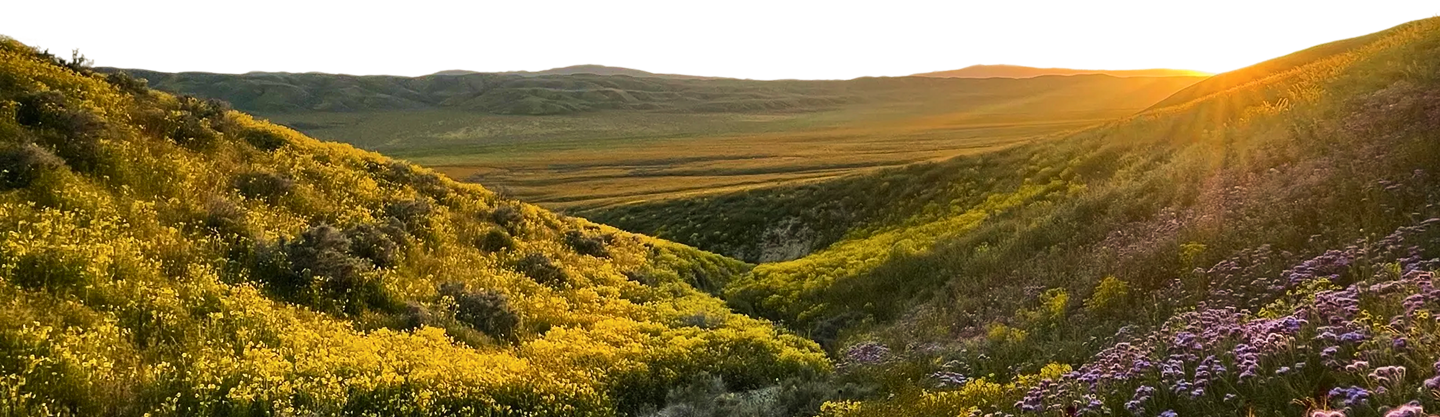
At CNPS, a love of learning is part of everything we do. From plant science workshops and chapter field trips to our triennial conference, CNPS creates experiences for people of all backgrounds to connect with California’s native plants and their habitats. Because the first step to protecting native plants is getting to know them.
The CNPS Conference is the largest native plant gathering in California. There’s a reason the conference keeps selling out, and it’s because of people like you. This unique event brings together California’s vibrant native plant movement of activists, tribal members, scientists, gardeners, artists, and more for three packed days of inspiring talks, exhibits, networking, and entertainment.
Find out more about the next upcoming conference and see the recordings from previous conference sessions.
Led by expert instructors, CNPS workshops offer hands-on learning, small class sizes, and science-backed teaching. Find topics like an introduction to plant identification, vernal pool plant taxonomy, an introduction to California grasses, and more.
Professional workshops and certifications are specifically designed to provide botanists, biologists, land managers, ecologists, and landscape industry professionals with the qualifications necessary to assess, manage, and protect native plants and lands in California and beyond.
CNPS chapters offer expert-led talks, field trips, and workshops. Join your local CNPS chapter to find out more. Visit cnps.org/events/ to see other chapter programming as well.
From scholarships and research opportunities to valuable professional mentorship, CNPS and its 35 chapters believe deeply in sharing what we have today, for tomorrow.
CNPS chapters offer local support to students interested in native plant research and careers.
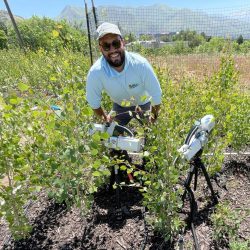
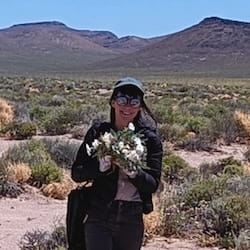
CNPS offers student research grants for undergraduate and graduate students.
Meet this year’s awardees who are contributing to our understanding and conservation of native flora
Dissertation research aims to determine whether small invertebrates living in eelgrass meadows disperse microbes between plants and how this may affect meadow health.
Studies the ecological and genetic mechanisms underlying hybrid speciation in native Penstemon species of Southern California.
Interested in how Stipa pulchra ecotypes respond to heat and water stress during early ontogeny and whether these responses are linked to functional traits related to survival.
Current research focuses on producing a phylogeny of Navarretia and resolving species limits within the Navarretia leucocephala complex, with particular emphasis on vernal pool ecosystems.
Studies the evolutionary history of two sections of Astragalus (milkvetches), with the goals of clarifying relationships in this large and complicated genus and understanding montane and alpine species diversification.
Conducting a floristic study of the headwaters of the Amargosa River in Nevada—an area with rich biogeographic influences that is facing unprecedented conservation threats from large-scale mining and other extractive industries.