Plans to raise the Shasta Dam by more than 18 feet could wipe out entire occurrences of the rare Shasta snow wreath. An endangered species listing could help. Help us take action by April 10!
By Nick Jensen

UPDATE April 20, 2020
Late last week, the California Fish and Game Commission voted to advance petitions to list Shasta snow wreath and Central Coast and Southern California populations of mountain lions under the Endangered Species Act (ESA) .
This decision means that snow wreath and populations of mountain lions are now candidates under the ESA. As candidates, these species are afforded the same protections as listed species, pending a final decision by the commission next year. Thank you very much to each of you that submitted letters in support of the Fish and Game Commission’s decision to protect these imperiled species.
New plant discoveries are not uncommon in the California Floristic Province, one the world’s 36 biodiversity hotspots. Sometimes these discoveries occur near major highways or in plain site. “A California botanist does not have to mount a costly or dangerous expedition to the depths of the neotropics in order to discover striking new species,” mused Dean Taylor in Fremontia, Vol. 22 No 23 upon his 1992 discovery with Glenn Clifton of Neviusia cliftonii, Shasta snow wreath, near a highway. “Our own backyard will do.”
We now know that Shasta snow wreath is in an obscure part of the rose family tree, the Kerrieae, with only four species worldwide. We know that a distant relative occurs in the fossil record in the Pacific Northwest. Plants like snow wreath are often called paleoendemics, species that were likely more widespread in past climates or habitats and are now restricted to limited areas with suitable growing conditions.
From a conservation perspective, we have come to realize that Shasta snow wreath is incredibly rare. It is restricted to a small area of Shasta County, where it has been documented from 24 locations. These occurrences cover a remarkably small area, with its entire range spanning 20 miles from north to south and 12 miles from east to west. And, nearly all of these locations are within a short distance of or are immediately adjacent to Shasta Lake. Without a doubt, Shasta snow wreaths were inundated when the dam was built and habitats were flooded.
Shasta snow wreath is an example of resilience. Snow wreath has survived millions of years on Earth. It survived ice ages, fires, volcanic eruptions, and floods. But today, it faces perhaps what is its most potent threat. With the proposal to raise Shasta dam by more than 18 feet, entire occurrences of snow wreath could be wiped out.
The threat of raising Shasta Dam has spurred petitions to list Shasta snow wreath under the California and Federal Endangered Species Acts. On April 15-16, the California Fish and Game Commission will address whether listing snow wreath as endangered is warranted. A decision in this direction would initiate a one-year review period and advance Shasta snow wreath as a candidate for listing. Increased protections secured under the California Endangered Species Act will ensure that actions affecting Shasta snow wreath on private and public lands receive the utmost scrutiny.
Shasta snow wreath needs your help. I am asking each of you to write the Fish and Game Commission and urge them to support the listing of snow wreath as Endangered. Comments are due by the end of the day on Friday, April 10. Please see this template letter: (PDF format / MS Word format).
Thank you for your immediate help!

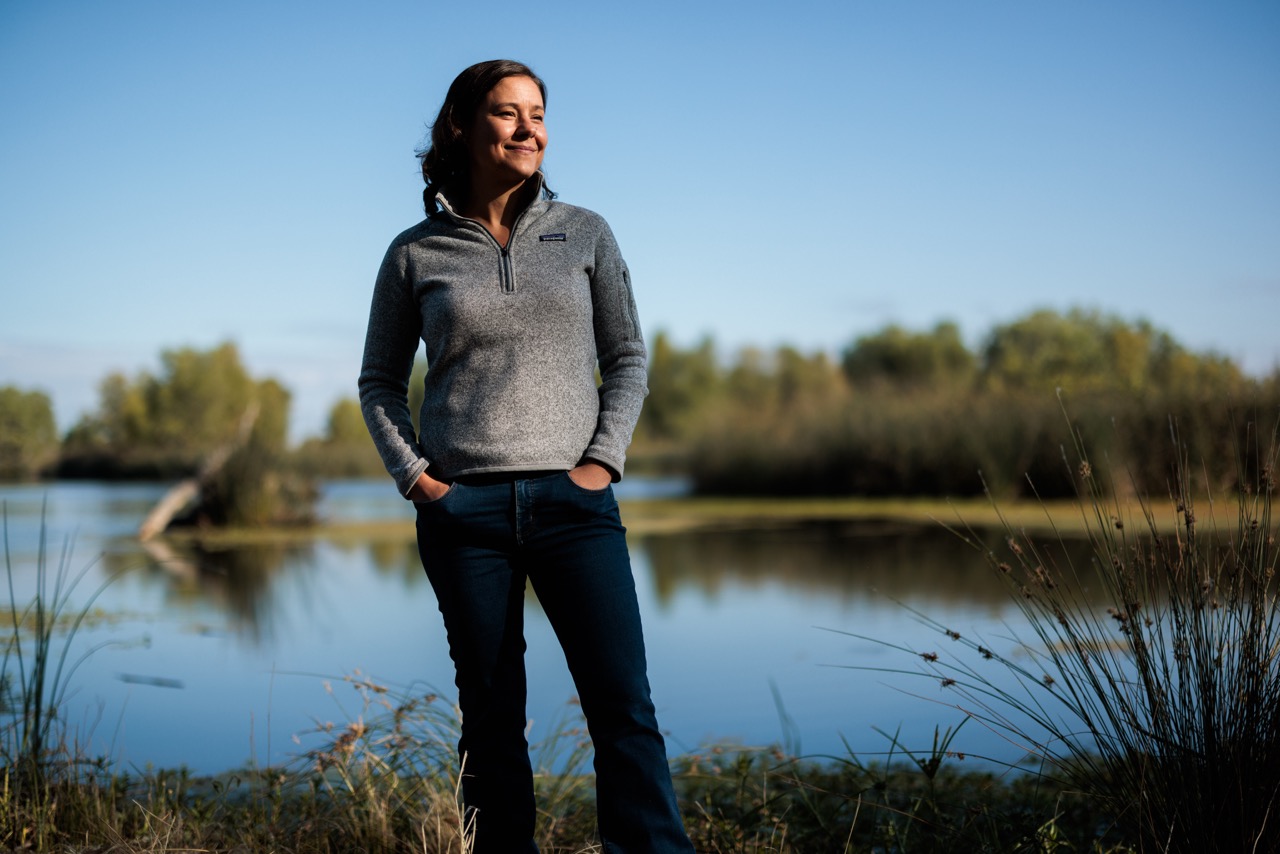
Nick Jensen is the lead conservation scientists for the California Native Plant Society (CNPS) and a fellow of the Robert and Patricia Switzer Foundation. Jensen earned his PhD in botany at Rancho Santa Ana Botanic Garden (RSABG)/Claremont Graduate University. As a graduate student he produced the first Flora of Tejon Ranch (* in preparation) and studied evolutionary patterns in perennial jewelflowers. For more information please contact him at Nick Jensen at njensen@cnps.org.
Support native plants conservation. Make a donation today!