By Liv O’Keeffe

Nearly 1 million acres protected. This was the year it happened—an unprecedented victory at a jaw-dropping scale.
In January 2025, CNPS joined Tribal members, elected officials, and fellow conservation partners at the White House for a joyous celebration, honoring years of steadfast work and partnership. The origin of this work goes back decades to generations of Tribal members who never gave up on the care and permanent protection of their ancestral lands. It was their vision and leadership that inspired businesses, government, community members, students, scientists and organizations like CNPS to work hand-in-hand in support of California’s Tribally led national monument campaigns.

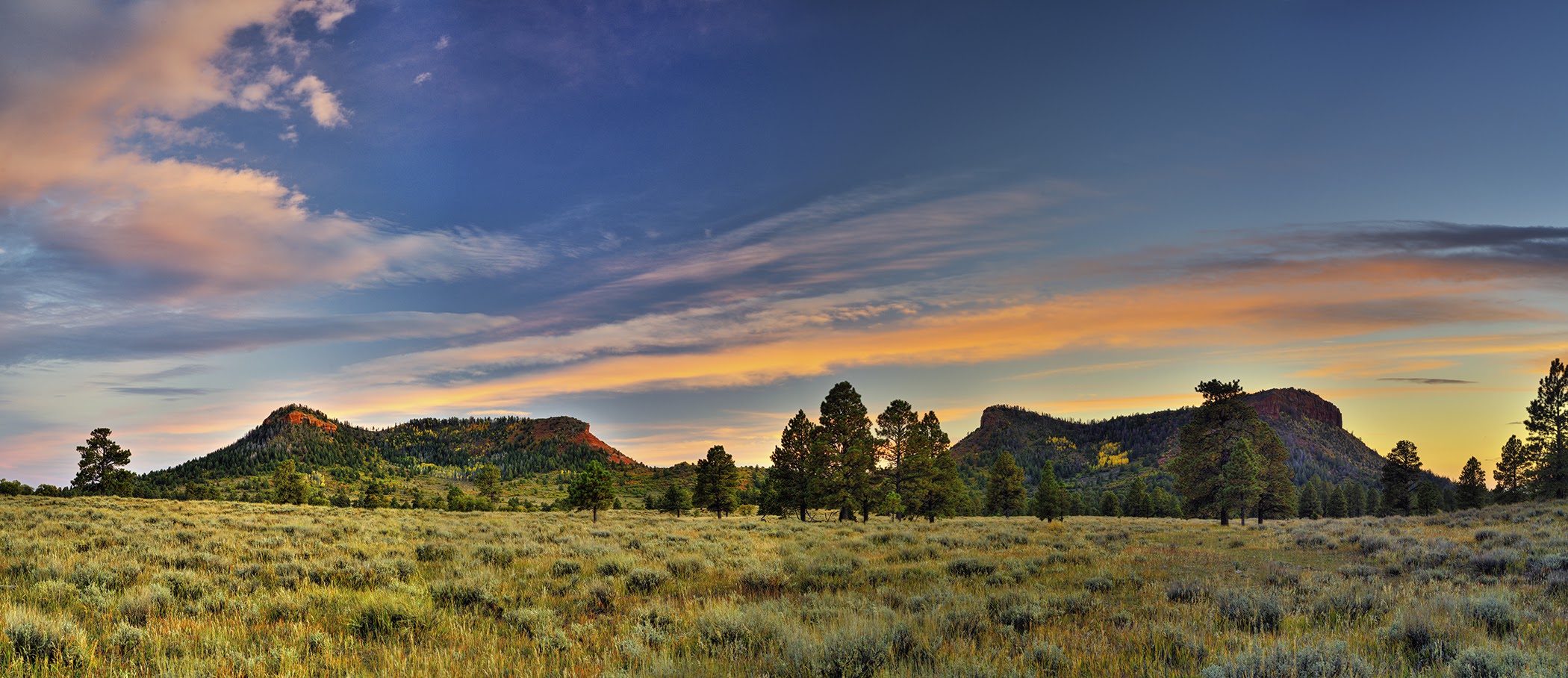
From the high mountain aquifers of Sáttítla Highlands and the deserts of California all the way to the international stage of the United Nations Biodiversity Conference in Cali, Colombia (COP16), CNPS and partners joined California Tribal members in tireless advocacy to secure two new national monuments and two monument expansions in the span of 12 months.
At the October United Nations convening in Cali, California Tribal members captured global attention for their leadership on public lands protection, and California’s extended delegation modeled the specific ways the state is progressing towards 30×30—and leading the world—in the international goal to conserve 30% of lands and coastal waters by 2030.
“California has built a movement that is redefining what conservation looks like, and already we’ve achieved more than many thought possible,” said CNPS Executive Director Dr. Jun Bando at the California press conference, held from the COP16 event.
Back home in California, communities rallied in support as the year drew to a breathtaking close.
“Each of the campaigns has brought together diverse voices towards the common goal of conserving biodiversity, increasing public access, and uplifting our state’s powerful Tribal voices.”

“It was a powerful and rewarding effort with many important connections made,” says CNPS Shasta Chapter member David Ledger, one of many CNPS volunteers across the state who championed the cause locally ahead of pivotal public listening sessions with federal officials.
At the hearings, the results spoke for themselves. Proponents of all walks of life flooded the listening sessions in an azure sea of brightly colored t-shirts. Across hours of testimony, 86% of speakers at the Chuckwalla meeting and 95% of speakers for Sáttítla Highlands demonstrated the cross-cutting support for California’s new monuments. Federal officials witnessed sacred Tribal invocations and Cahuilla Bird Singers; mothers, daughters, and grandmothers testifying together; scientists sharing the botanical, geological, and biological wonders of these lands;

mayors, council members, local business, and neighbors speaking up for places they love and cherish. Every word representing the uniquely personal, heartfelt ways that each of us connect with the natural world on our public lands.
The voices of those events and the friendships made will echo for years to come.
“The monument campaigns represent some of the best work that’s been done in the conservation community in recent years,” says Conservation Program Director Nicholas Jensen. “Each of the campaigns has brought together diverse voices towards the common goal of conserving biodiversity, increasing public access, and uplifting our state’s powerful Tribal voices. The relationships that have developed will endure and be central to the critical defense of public lands in the coming years.”
This story originally appeared in the CNPS 2024-2025 Annual Report.
Liv O’Keeffe is the Senior Director of Public Affairs at the California Native Plant Society.