By Amina Sharma

Surviving and learning from California’s wildfires
It began in early January with the wind—hurricane force, with gusts from 80-100 miles per hour. The wind tore away fencing, brought down branches, and piled dead leaves around houses. Grasses and bushes were abundant from a previous season of rain, but now dry and rattling from a La Niña winter with very little precipitation. “We heard there was a fire around 8:30,” says Altadena resident Ty Garrison, a biologist and CNPS San Gabriel Mountains (SGM) Chapter Council delegate and conservation chair. “I looked toward Eaton Canyon and could see it burning on the hillside. We watched it for hours without knowing that it was already burning in the community.”

At 3:30 that morning, a gust blew open their French doors and smoke filled the house. Burning embers rained onto the yard. Springing into action, Ty’s wife gathered their pets and essential papers and left for a friend’s house. In urban fires, people should evacuate. Ty, however, already had experience saving a home from wildfire. He and his nephew decided to stay. They soaked every pile of leaves in the yard and then started soaking the shrubbery nonstop. Around noon the winds started to shift. “By that time we had seen the fire travel from house to house down the street in the block behind us. We sat down for a moment to rest and a bird landed on my nephew’s knee. All these animals were coming into the yard because we had a spot that was safe.”

They stayed fighting the fire into the evening. Walking through the remains of their streets, it was surreal to Ty to hear the gas jets from burned homes exploding. Altadena dates back around 100 years with mature trees that are probably older than the neighborhood. A lot of those trees didn’t burn. “These trees are storing a tremendous amount of moisture. It takes a huge amount of energy to dry them out. Many people believe that their mature trees saved their homes. That didn’t happen everywhere. But a lot of homes burned because the home next to them was burning.” A number of SGM Chapter members lost their homes and were displaced, and the chapter lost its meeting place at Eaton Canyon Nature Center. But volunteers shifted from grief into action, giving talks in their community and speaking to the press about the Eaton Fire. The LA/Santa Monica Mountains Chapter, which suffered the devastating Palisades Fire at the same time, also supported talks and workshops for wildfire education.
“We need to learn to live with wildfire. It’s going to happen and our homes don’t need to burn, whether we live in a rural area or an urban one . . .”

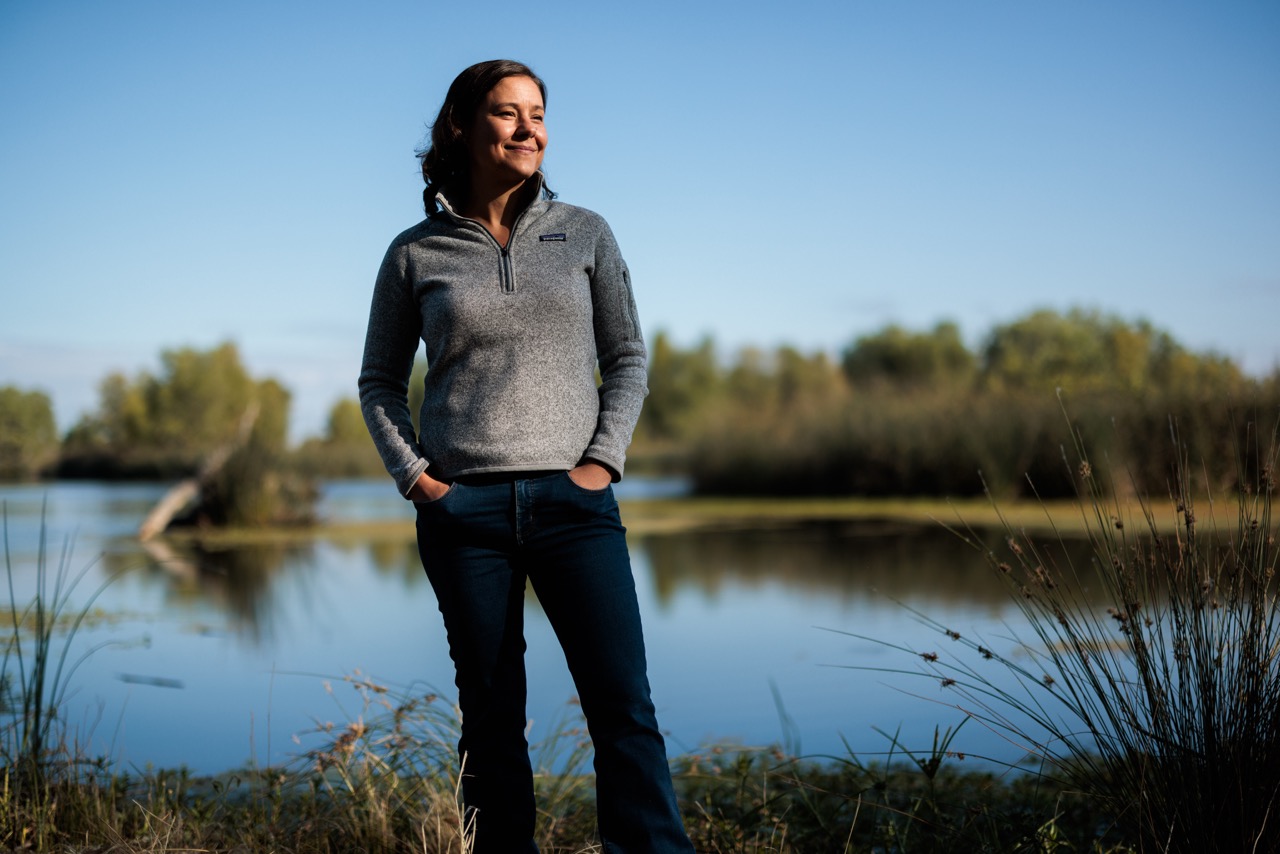
Hundreds of miles North, Placerville resident Alice Cantelow, a CNPS El Dorado Chapter Council delegate, was working in her own community to provide much-needed support and hope. A sixth-generation Californian, Alice’s family has been shaped by wildfire, with its relocations and loss. About a year ago, she organized CNPS’s first Chapter Wildfire Community to bring the different chapter volunteers and staff together around a shared wildfire focus. “We need to learn to live with wildfire. It’s going to happen and our homes don’t need to burn, whether we live in a rural area or an urban one,” says Alice. “Chopping down native habitats isn’t the answer—the answer lies in defensible space guidelines and home hardening.” Alice believes CNPS has an important, vital role in wildfire resilience. Because wildfire happens across California’s varied habitats, the solution needs to be customized to the environment. To effect change now, the Wildfire Community volunteers reviewed and updated resources for defensible space guidelines to the public, provided study topics to the California Fire Consortium, and are playing active roles in the education and resilience of their communities. “If we understand and work with California’s great variety of ecosystems and habitats, we’ll be able to create effective wildfire resilience throughout the state.”
Bookmark CNPS resources for wildfire resilience, recovery, and home hardening.
This story originally appeared in the CNPS 2024-2025 Annual Report.

Amina Sharma is the Communications Manager for the California Native Plant Society and a Los Angeles resident.